Back Pain Relief Timelines: What "A Few Months" Actually Looks Like
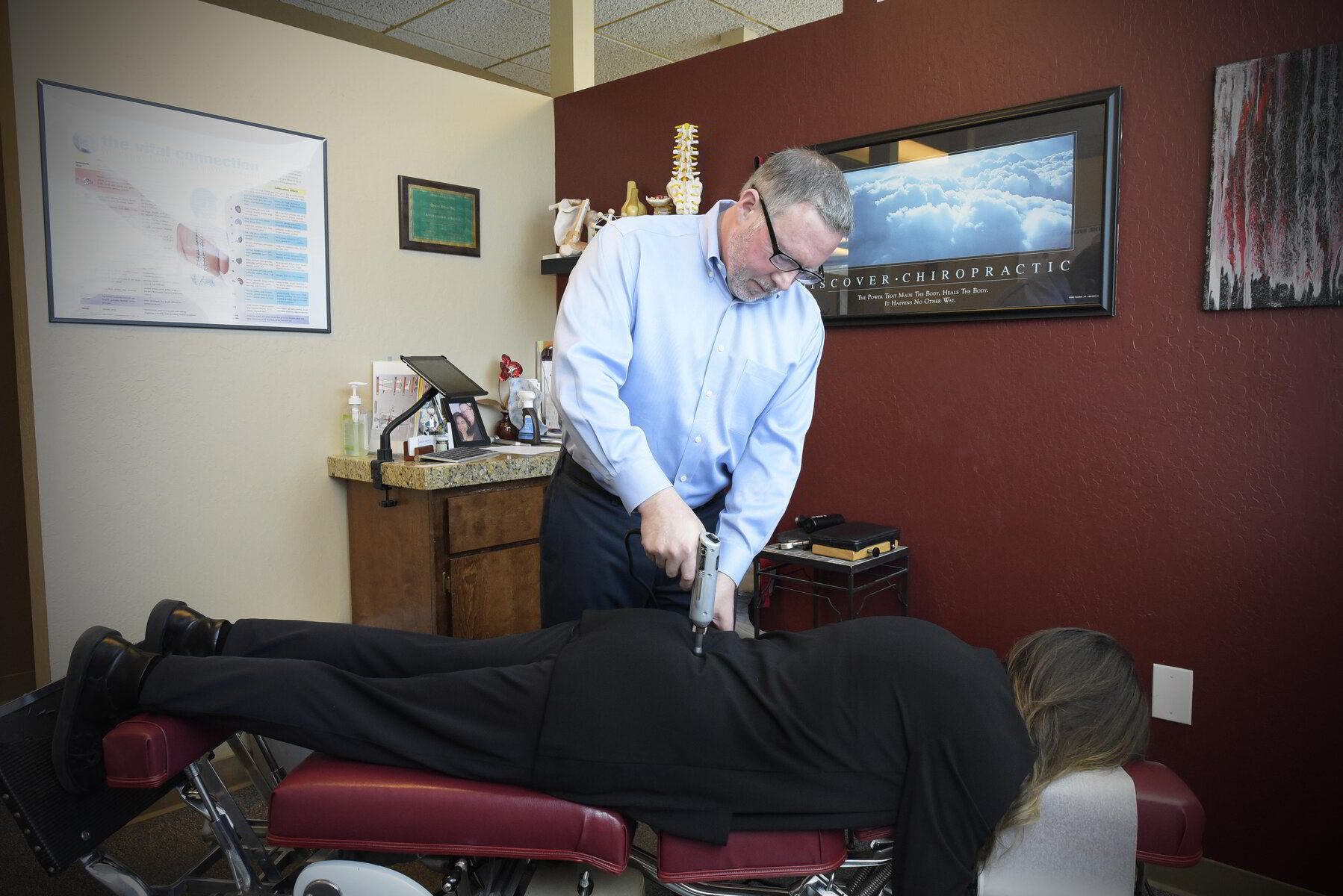
Dr. Philip Dieter
One of the most common things back pain patients want to know — and one of the hardest things to communicate honestly — is how long will this take? At Almaden Chiropractic and Wellness, patients consistently report "dramatic improvement after a few months of visits." But what does "a few months" actually look like in practice?
Weeks 1–2: Pain modulation
Early visits focus on calming down the acutely irritated tissues. You're not "fixing" anything yet — you're reducing inflammation, restoring basic joint motion, and giving the protective muscle guarding a chance to release. Most patients notice less sharp pain by visit 3–4, even if the underlying problem isn't resolved.
Weeks 3–6: Movement restoration
Now the work shifts to restoring normal mechanics. Adjustments target the segments that aren't moving correctly. Soft tissue work addresses the muscles that have been compensating. Patients often report this is the phase where they "stop thinking about their back all the time."
Weeks 6–12: Capacity rebuilding
This is where home exercises become critical. Joint motion has been restored — now the surrounding muscles need to hold the new pattern. Skipping this phase is the #1 reason patients relapse. Doing the home program is the #1 reason patients reach the "dramatic improvement" milestone.
Beyond 12 weeks: Maintenance vs. fix-and-forget
There are two valid models:
- Fix-and-discharge — once the problem is resolved, you only return when symptoms reappear.
- Periodic maintenance — monthly visits to catch small dysfunctions before they become flare-ups.
Long-term Almaden Chiropractic and Wellness patients tend to choose the second model — not because they're still in pain, but because they've learned that staying ahead of the problem is cheaper, easier, and more comfortable than chasing it.
Set realistic expectations
If a chiropractor promises pain relief in one visit, be skeptical. If they outline a 6–12 week roadmap with clear milestones, you're likely in good clinical hands. That's the standard San Jose patients have come to expect from the Decker practice.