Auto Injury & Whiplash Care in Des Moines, WA: What Midway Chiropractic Patients Should Expect
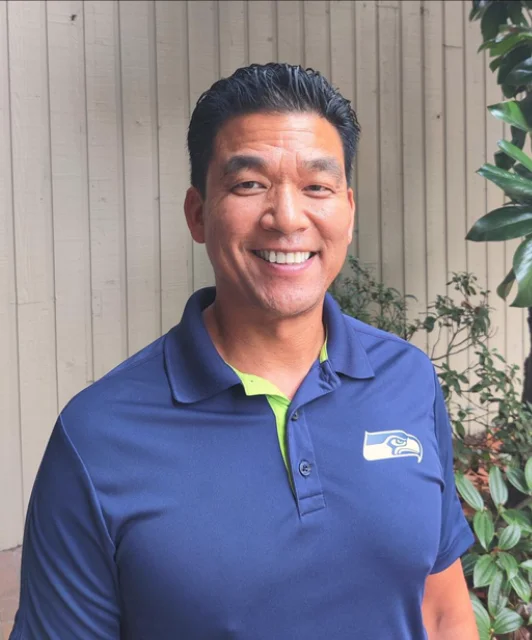
Dr. Craig Kagetsu
BSc, DC, c.ART, CKTP — Clinic Director at Midway Chiropractic
Auto Injury & Whiplash Care in Des Moines, WA
If you''ve been in a car accident anywhere along the I-5 corridor between SeaTac and Federal Way, the first 14 days matter more than most patients realize. Soft-tissue injuries — especially cervical strain and whiplash — respond best when documented and treated early, before the body locks in compensatory patterns.
This article walks through what an auto-injury treatment plan typically looks like at Midway Chiropractic in Des Moines, WA, and why their model is built specifically for personal injury (PIP), L&I (workers'' comp), and Independent Medical Exam (IME) cases.
Why same-week intake matters
After a collision, adrenaline masks pain for 24–72 hours. By day 4, inflammation peaks. Patients who wait two weeks before seeing a provider often end up with:
- Reduced cervical range of motion that takes months to restore
- Insurance disputes over whether the injury was "accident-related"
- Gaps in the medical record that complicate PIP or L&I claims
Midway Chiropractic structures intake around getting auto-injury patients evaluated within the same week — usually with on-site X-ray if indicated, plus a documented baseline exam.
The diagnostic backbone: DynaROM testing
One of the tools that distinguishes Midway from a typical adjustment-only practice is DynaROM (Dynamic Range of Motion) testing. DynaROM uses dual inclinometers and surface EMG to objectively measure:
- Cervical and lumbar range of motion
- Muscle guarding patterns during movement
- Whether soft-tissue injury is present beyond what an X-ray shows
For PIP and L&I claims, this matters. Carriers and IME doctors give significant weight to objective, reproducible measurements — not just subjective pain scales. DynaROM produces a defensible record.
A typical 8–12 week treatment arc
Auto-injury cases at Midway generally follow a phased structure:
Phase 1 — Acute (Weeks 1–3): 3 visits/week. Focus on reducing inflammation and muscle guarding. Combinations of chiropractic adjustment, Class IV laser therapy, and targeted massage therapy.
Phase 2 — Corrective (Weeks 4–8): 2 visits/week. Active Release Technique (ART) and Graston are introduced to break down scar tissue. Acupuncture is often added for patients with persistent headaches or radiating arm pain.
Phase 3 — Stabilization (Weeks 9–12): 1 visit/week plus home exercise rehabilitation. Re-test DynaROM to document objective improvement for the claim file.
Insurance and billing — what''s actually covered
Washington state PIP (Personal Injury Protection) is mandatory on auto policies and typically covers $10,000+ of medical care regardless of fault. Midway Chiropractic bills PIP, L&I, and most major health insurance directly, which means most auto-injury patients pay nothing out of pocket during active treatment.
For L&I cases, Midway is set up as an attending provider and handles the activity prescription forms (APF) and progress reports that keep claims open.
What to bring to your first visit
- Insurance card (auto and health)
- Claim number and adjuster contact, if you have it
- Police report or incident number
- A list of every symptom — even ones that seem unrelated (jaw, ear ringing, sleep changes all matter)
The bottom line
Whiplash and auto injuries are time-sensitive. Patients in the South King County area who get evaluated within the first week tend to have shorter overall treatment plans, cleaner insurance claims, and better long-term outcomes. Midway Chiropractic''s combination of on-site X-ray, DynaROM testing, and same-week intake is specifically designed for that window.