Cervicogenic Headaches vs. Migraines: How Mihlon Family Tells the Difference in Bayville
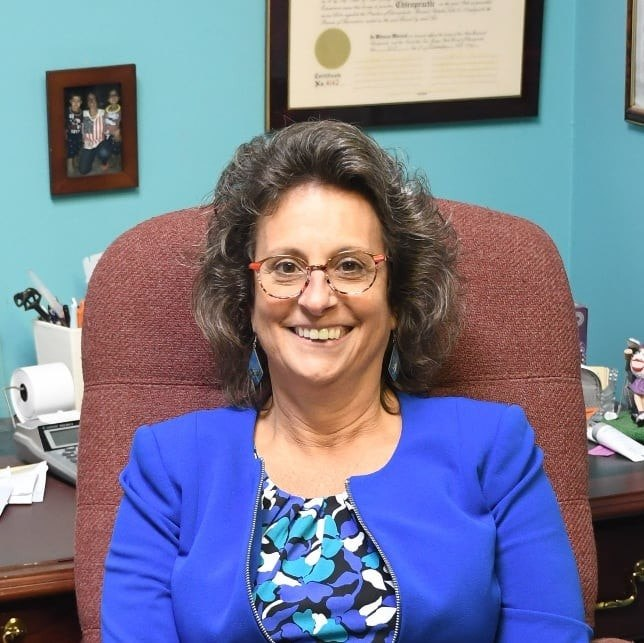
Dr. Anita Mihlon
Patients often arrive at Mihlon Family Chiropractic Center with a migraine diagnosis that has never fully fit. The medications help sometimes, the triggers are unclear, and the headaches almost always start at the base of the skull. In many of these cases, the correct diagnosis is a cervicogenic headache — a headache referred from the upper cervical spine.
Verified outcomes in our records
Our Bayville records include multiple verified cases of cervicogenic and chronic daily headache patients whose frequency dropped by 60–80% after cervical-focused chiropractic care. One recent patient reduced her headache days from 22/month to 5/month over 10 visits.
How to tell the difference
| Feature | Migraine | Cervicogenic |
|---|---|---|
| Onset | Often gradual, with aura | Starts at base of skull |
| Sidedness | Frequently unilateral, variable | Same side each time |
| Triggers | Foods, hormones, sleep | Neck posture, sustained positions |
| Neck exam | Usually normal | Restricted C1–C3 motion, tenderness |
| Response to neck treatment | Minimal | Substantial |
Our Bayville exam protocol
- Cervical flexion-rotation test (highly specific for C1–C2 involvement)
- Segmental palpation from C0 through C3
- Upper trapezius and suboccipital tissue assessment
- Screen for red flags (thunderclap onset, neurological deficit, systemic symptoms)
Treatment that targets the actual source
For confirmed cervicogenic headaches, care typically includes specific upper-cervical adjustments, deep neck flexor retraining, and postural correction. Most patients experience meaningful frequency reduction within 4–6 visits. If your "migraines" have never quite behaved like migraines, this may be why.