Concussion and Post-Concussion Syndrome: How Objective Brain Testing Changes Care
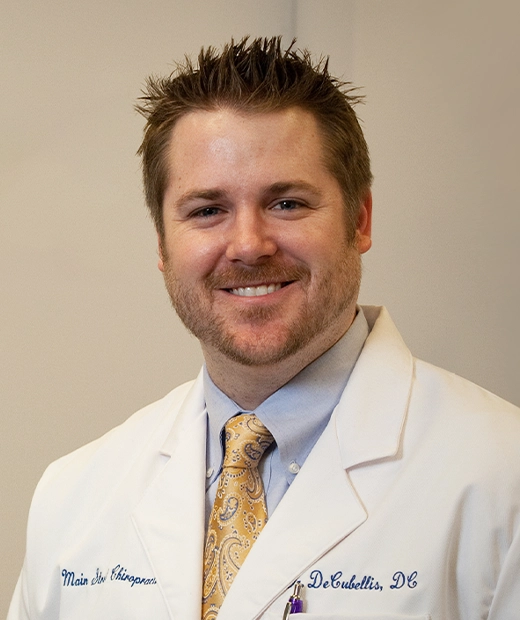
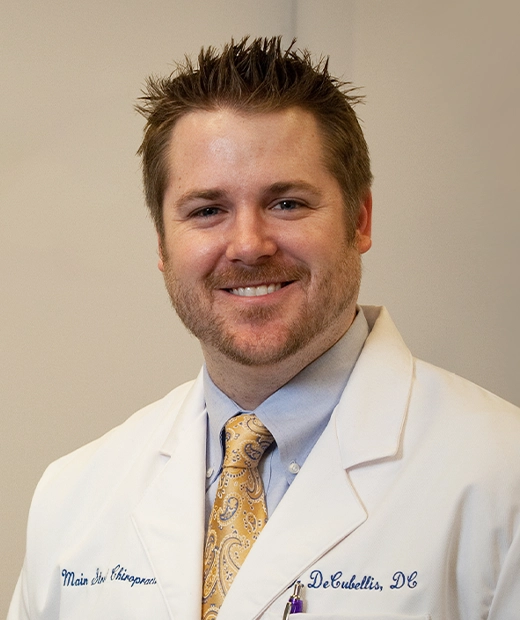
Dr Michael DeCubellis
Doctor of Chiropractic at Downers Grove Chiropractic Spine and Injury Center
Concussion and Post-Concussion Syndrome: How Objective Brain Testing Changes Care
For decades, concussion has been diagnosed almost entirely on the basis of what a patient reports — headaches, fogginess, light sensitivity, sleep changes. The problem with that approach is obvious: symptoms can be denied, exaggerated, missed, or simply forgotten when adrenaline is still high.
At Downers Grove Chiropractic Spine and Injury Center, we use BrainView qEEG testing to add an objective layer to concussion diagnosis and recovery tracking.
What BrainView Actually Measures
BrainView combines four validated tests:
- Quantitative EEG (qEEG) — brainwave patterns at rest and during cognitive tasks
- Event-related potentials (P300) — how quickly your brain processes new information
- Heart rate variability — autonomic nervous system regulation
- Cognitive performance battery — memory, attention, and processing speed
The result is a multi-page report that compares your brain function to age-matched norms — useful both as a baseline (athletes, high-risk occupations) and as a recovery measure after a known injury.
Why This Matters After a Crash or Fall
Mild traumatic brain injury (mTBI) is dramatically under-diagnosed. Patients are told they "just have a headache" when in fact their autonomic nervous system, cervical spine, and brainstem function are all compromised. Without objective testing, recovery becomes a guessing game — and many patients are cleared to return to work, sport, or driving too early.
Post-Concussion Syndrome: The Symptoms That Will Not Quit
When concussion symptoms persist past 4–6 weeks, the diagnosis becomes post-concussion syndrome (PCS). Common features include:
- Persistent headaches and neck pain
- Brain fog, memory lapses, slowed processing
- Dizziness, balance problems, motion sensitivity
- Sleep disturbance and mood changes
- Light and sound intolerance
Much of what is labeled PCS is actually a combination of cervical spine dysfunction, vestibular impairment, and autonomic dysregulation — all of which respond to targeted care.
Our Concussion Care Approach
- BrainView baseline and re-test to track objective recovery
- Upper cervical chiropractic care — the C1-C2 region heavily influences brainstem and vestibular function
- Vestibular and oculomotor rehab to address dizziness and visual processing
- Autonomic regulation work — breath training, heart rate variability biofeedback
- Graded return-to-activity protocol guided by objective data, not just how the patient feels
When to Get Tested
- Any blow to the head, whiplash, or sudden deceleration event
- Lingering symptoms more than two weeks after a known concussion
- Athletes wanting a true baseline before contact season
- High-risk occupations (first responders, drivers, construction)
Call our Downers Grove office to schedule a BrainView evaluation and concussion consultation.