How Nexus Neuro (formerly Schulke Chiropractic) Helps Patients with POTS / Dysautonomia in Carmel, IN (September 2026)
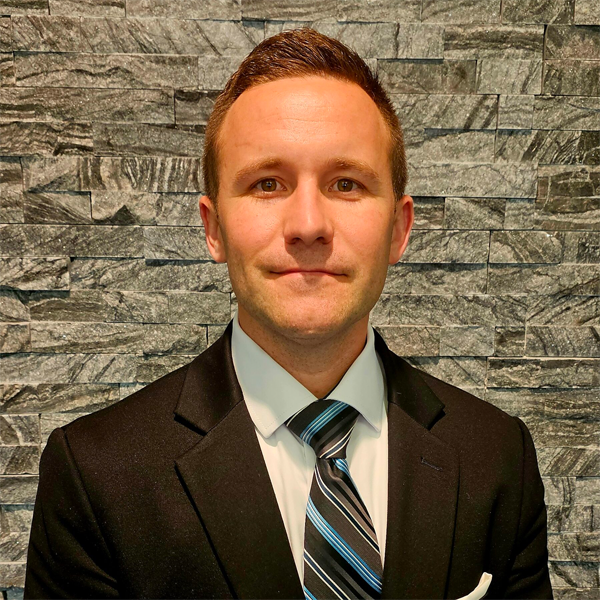
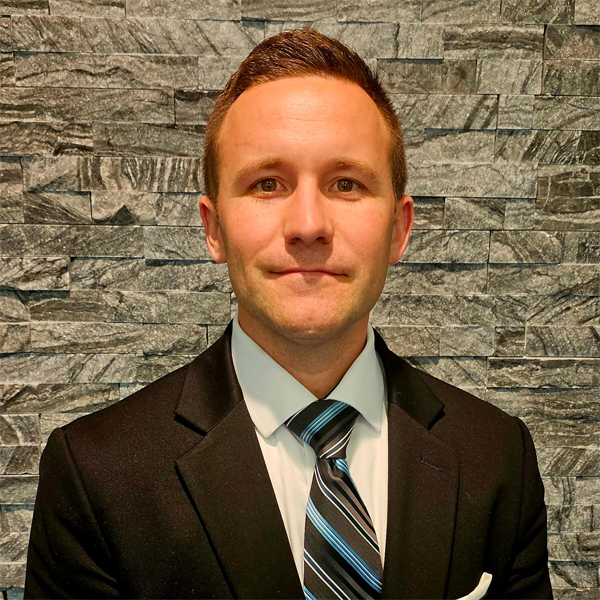
Dr. Matt Schulke
Doctor of Chiropractic, DACNB, BCN at Nexus Neuro
Nexus Neuro (formerly Schulke Chiropractic): Helping Carmel, IN Patients with POTS / Dysautonomia
TL;DR
- Nexus Neuro has worked with a cohort of 15 verified patients diagnosed with POTS / Dysautonomia.
- On average, these patients reported a 47% reduction in their pain levels after care at the clinic.
- The clinic's approach, led by Dr. Matt Schulke (DACNB, BCN), utilizes functional neurology, neurodiagnostics, and targeted rehabilitation to address the root neurological dysfunction.
- Treatment plans may incorporate vestibular rehabilitation, nerve stimulation therapy, clinical nutrition, and specialized chiropractic techniques to support the autonomic nervous system.
What the outcomes show
Understanding a clinic's direct experience with a condition is crucial when seeking care. For patients with Postural Orthostatic Tachycardia Syndrome (POTS) and other forms of dysautonomia, finding a provider who is familiar with the complexities of the condition can make a significant difference.
Nexus Neuro, formerly known as Schulke Chiropractic, has direct, measured experience helping patients with POTS / Dysautonomia. Based on verified data from the clinic, a group of 15 patients with this diagnosis have undergone treatment. A key metric tracked for this group was pain, a common and often debilitating symptom that can accompany dysautonomia. On average, these 15 patients experienced a 47% reduction in pain.
This outcome highlights the clinic's focus on symptom relief as part of a broader strategy to manage the condition. While this data set specifically tracked pain reduction, it's important to note that a comprehensive treatment plan aims to address the wide array of symptoms associated with POTS. Data on mobility gains was not tracked for this specific patient group. Still, the significant reduction in pain suggests a positive impact on the quality of life for these individuals.
How Nexus Neuro (formerly Schulke Chiropractic) approaches POTS / Dysautonomia
The team at Nexus Neuro approaches POTS and dysautonomia not just as a collection of symptoms, but as a condition rooted in neurological dysfunction. The autonomic nervous system (ANS) controls all the things your body does without conscious thought—heart rate, blood pressure, digestion, and body temperature. In dysautonomia, this automatic control system doesn't function correctly. The clinic's methodology is designed to identify where these neurological breakdowns are occurring and use targeted therapies to help restore proper function.
At the helm of this approach is Dr. Matt Schulke, a Doctor of Chiropractic who is also a Board Certified Diplomate of the American Chiropractic Neurology Board (DACNB) and is Board Certified in Neuropathy (BCN). This advanced training in functional neurology provides a deep understanding of the brain, spinal cord, and nervous system, which is essential for managing complex conditions like POTS.
The process at Nexus Neuro begins with a deep dive into each patient's unique neurology using cutting-edge tools. The clinic utilizes advanced neurodiagnostics, which may include AI-driven eye-tracking and neural pathway mapping. For a POTS patient, this isn't just an abstract test. Eye movements, for example, are intimately linked to the autonomic nervous system and the brain's vestibular (balance) centers. By precisely measuring how your eyes track, focus, and react, Dr. Schulke can gain critical insights into the function of specific brain pathways that may be contributing to your symptoms of dizziness, lightheadedness, and brain fog.
Once a detailed neurological picture is established, a multi-faceted treatment plan is developed, drawing from a range of specialized techniques:
- Vestibular Rehabilitation: Dizziness, vertigo, and a feeling of imbalance are hallmark symptoms of POTS. Vestibular rehabilitation involves specific exercises and therapies designed to retrain the brain and inner ear systems that control balance and spatial orientation. This can help reduce dizziness and improve stability.
- Nerve Stimulation Therapy: This non-invasive technique is used to modulate nerve activity. For dysautonomia, it can be applied to help regulate the vagus nerve, a primary component of the parasympathetic (the "rest and digest") nervous system. Improving vagal tone can help counterbalance the overactive sympathetic ("fight or flight") response often seen in POTS.
- Clinical Nutrition: What you eat can have a profound impact on nervous system function and overall health. The clinic may use comprehensive metabolic testing to identify deficiencies or sensitivities. A clinical nutrition plan for a POTS patient might focus on hydration, electrolyte balance, blood sugar stabilization, and reducing inflammation, all of which are critical for managing symptoms.
- Chiropractic BioPhysics & Extremity Adjusting: The relationship between spinal structure and nervous system function is a core principle of care at the clinic. Gentle, specific adjustments and therapies guided by Chiropractic BioPhysics principles can help improve posture and spinal alignment. This may reduce physical stress on the nervous system, improving communication between the brain and the body.
- SoftWave Therapy: As the only provider in Indiana certified by the International Society for Medical Shockwave Treatment (ISMST), Dr. Schulke may utilize SoftWave Tissue Regeneration Therapy as part of a comprehensive plan to address associated pain and promote healing.
This integrated approach ensures that treatment is not a one-size-fits-all protocol but a personalized plan tailored to your specific neurological and metabolic profile.
What to expect at your first visit
Your first visit to Nexus Neuro is a comprehensive and data-driven experience designed to uncover the root cause of your symptoms. You can expect the appointment to be thorough, so it's wise to allocate ample time.
The process typically begins with an in-depth consultation with one of the doctors, likely Dr. Matt Schulke for a complex neurological case like POTS. You will discuss your health history in detail, including the onset of your symptoms, what makes them better or worse, previous diagnoses, and any treatments you have tried.
Following the consultation, you will undergo a comprehensive neurological and physical examination. This is where the clinic's advanced diagnostics come into play. The exam will likely go far beyond a standard check-up and may include:
- Vitals measured in different positions (lying, sitting, standing) to observe changes in heart rate and blood pressure, a key diagnostic marker for POTS.
- Balance and coordination testing to assess vestibular and cerebellar function.
- Computerized eye-tracking tests (videonystagmography or VNG) to precisely measure and analyze eye movements, providing a window into brain function.
- Reflex, sensory, and motor strength testing.
Based on these initial findings, the doctor may also recommend further comprehensive metabolic testing to look for nutritional deficiencies, inflammation markers, or other issues that could be contributing to your condition.
At the end of this detailed evaluation, the doctor will review the findings with you, explain what they mean in the context of your condition, and discuss whether you are a good candidate for care. If so, they will outline a proposed treatment plan tailored specifically to you.
FAQ
1. What exactly is POTS / Dysautonomia? Dysautonomia is an umbrella term for a group of conditions that involve a malfunction of the Autonomic Nervous System (ANS). The ANS controls involuntary functions like heart rate, blood pressure, and digestion. POTS (Postural Orthostatic Tachycardia Syndrome) is a common form of dysautonomia where changing from a lying down to a standing position causes a significant increase in heart rate without a major drop in blood pressure. This can lead to symptoms like lightheadedness, heart palpitations, and fatigue.
2. What common POTS symptoms does your approach address? Our functional neurology approach is designed to address the neurological roots of many common POTS symptoms. Vestibular rehabilitation directly targets dizziness and balance issues. Nerve stimulation and nutritional strategies can help with fatigue, brain fog, and the regulation of heart rate and blood pressure. By improving overall neurological function and communication, patients may also see improvements in headaches, pain, and digestive complaints.
3. Is the treatment painful? The vast majority of therapies used at Nexus Neuro are non-invasive and gentle. Techniques like vestibular rehabilitation, nerve stimulation, and nutritional counseling are not painful. Chiropractic adjustments are performed with precision and care. While you may experience some muscle soreness as your body adapts to new movement patterns or therapies, the treatments themselves are designed to be comfortable and restorative.
4. How does functional neurology specifically help with POTS? Functional neurology focuses on the principle of neuroplasticity—the brain's ability to change and form new connections. In POTS, certain neural pathways that regulate the autonomic nervous system are not functioning optimally. A functional neurologist uses specific diagnostic tests (like eye movement analysis) to identify which pathways are weak or dysfunctional. They then prescribe targeted "exercises" for the brain—such as specific visual, balance, or cognitive activities—to strengthen those pathways and improve the brain's ability to control the body's autonomic functions.
5. How long does a typical treatment plan last? The duration of care is unique to each individual. POTS and dysautonomia are complex conditions, and recovery is a process, not a single event. Your treatment plan's length will depend on several factors, including the severity and duration of your symptoms, your specific neurological findings, your commitment to the recommended therapies and lifestyle changes, and how your body responds to care. Dr. Schulke will discuss a projected timeline with you after your initial comprehensive evaluation.
Ready to see if we can help?
If you are struggling with the symptoms of POTS or dysautonomia and are looking for a comprehensive, data-driven approach to care in the Carmel, Indiana area, the team at Nexus Neuro is here to help. To learn more about their unique methodology and to see if you are a candidate for their program, please review the clinic’s profile or contact them directly to schedule an evaluation.
View the clinic's full profile here: Nexus Neuro (formerly Schulke Chiropractic) on ChiropracticResults.com