How Indian Trail Chiropractic & Rehab Helps Patients with Cervical disc disorder with radiculopathy in Indian Trail, NC (November 2026)

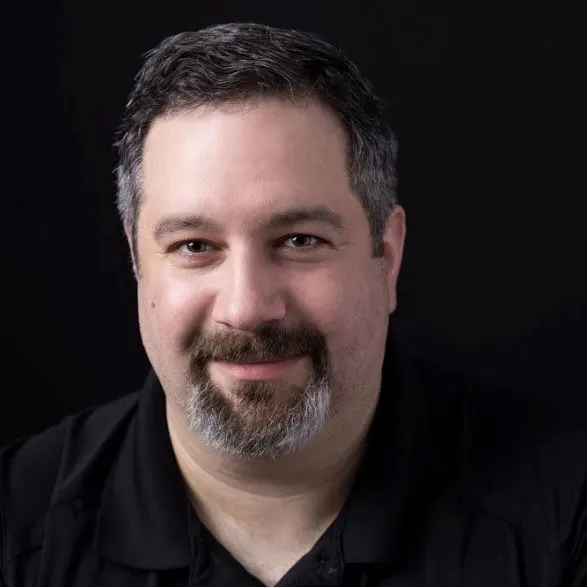
Dr. Cameron Gentile
Doctor of Chiropractic at Indian Trail Chiropractic & Rehab
Indian Trail Chiropractic & Rehab: Helping Indian Trail, NC Patients with Cervical disc disorder with radiculopathy
TL;DR
- Documented Relief: Across 15 verified cases treated for cervical disc disorder with radiculopathy, patients achieved an average pain reduction of 95%.
- Functional Improvement: Clinical records show an average mobility gain of 97% following conservative care.
- Multimodal Approach: Care plans integrate cervical spinal decompression, soft tissue therapy (including Graston Technique and Active Release Technique), corrective exercises, extremity adjustments, and modalities like laser therapy.
- Targeted Care Duration: Documented patient timelines at the clinic typically range from 13 to 14 weeks to manage nerve root irritation and restore spinal mechanics.
What the outcomes show
Cervical disc disorder with radiculopathy occurs when an injured, bulging, or degenerated intervertebral disc in the neck irritates or compresses an adjacent cervical nerve root. This nerve irritation frequently causes sharp, aching, or burning neck pain that travels down the shoulder, arm, forearm, and into the fingers, often accompanied by numbness, tingling, and diminished mobility.
At Indian Trail Chiropractic & Rehab in Indian Trail, North Carolina, clinical outcomes for this condition demonstrate significant improvement under conservative management. In a cohort of 15 verified patient cases:
- Patients experienced an average pain reduction of 95%.
- Objective assessments documented an average mobility gain of 97%.
These figures reflect structured care programs that target both the structural disc issue and secondary soft tissue restrictions. Rather than merely masking symptoms, the care tracks measurable changes in pain intensity, range of motion, and nerve-related symptoms over multi-week protocols.
How Indian Trail Chiropractic & Rehab approaches Cervical disc disorder with radiculopathy
Led by Dr. Cameron Gentile, DC, Indian Trail Chiropractic & Rehab approaches cervical disc disorders from a structural, neurological, and biomechanical perspective. Dr. Gentile's background spans extremity care, sports performance, biomechanics, soft tissue therapy, and athletic rehabilitation, informing a clinical strategy that evaluates how the entire kinetic chain interacts with the cervical spine.
Because cervical radiculopathy involves both mechanical compression and peripheral nerve pathway irritation, treatment rarely relies on a single modality. Instead, Dr. Gentile utilizes a combination of evidence-based interventions:
- Spinal Decompression: Cervical decompression therapy applies gentle, motorized distraction to the neck. By creating negative intradiscal pressure, decompression helps draw disc material away from compressed nerve roots and facilitates nutrient and fluid exchange into the affected disc.
- Targeted Soft Tissue Therapies: Nerve irritation frequently triggers protective muscle guarding, trigger points, and fascial restrictions throughout the neck, trapezius, and shoulder girdle. The clinic incorporates the Graston Technique and Active Release Technique (ART) to mobilize restricted soft tissues, release adhesions, and reduce entrapment along peripheral nerve paths.
- Chiropractic and Extremity Adjusting: Gentle, targeted adjustments help restore normal segmental joint mechanics in the cervical and thoracic spine. Because cervical radiculopathy frequently affects how the shoulder and arm move, upper extremity adjustments are utilized to address secondary joint dysfunctions in the shoulder, elbow, or wrist.
- Corrective and Therapeutic Exercises: Once acute inflammation subsides, active rehabilitation is introduced. Corrective exercises strengthen deep neck flexors, improve scapular stability, and correct poor biomechanics, reducing chronic mechanical stress on the cervical discs.
- Supportive Modalities: When clinically indicated, supportive therapies such as electrical muscle stimulation (e-stim), low-level laser therapy (such as Erchonia laser), and shockwave therapy are used to modulate pain, calm hypertonic muscles, and support cellular tissue repair.
Patient cases (verified outcomes)
The following documented clinical cases illustrate how cervical disc disorder with radiculopathy presents and responds to treatment at Indian Trail Chiropractic & Rehab.
Case 1: Male, Age 25–29
- Chief Complaint: Chronic neck pain with radiating pain into the right shoulder and upper arm. The onset was insidious, developing approximately 8 weeks prior to presentation, with the patient suspecting poor posture as a contributing factor.
- Initial Pain Score: 6/10.
- Working Diagnosis: Cervical disc disorder with radiculopathy.
- Treatment Plan (13 Weeks): Care incorporated chiropractic adjustments, upper extremity adjustments, electrical muscle stimulation, and Active Release Technique to address underlying soft tissue restrictions.
Case 2: Female, Age 45–49
- Chief Complaint: Chronic cervical pain radiating into the right arm alongside numbness and tingling in the fingers. Symptoms developed gradually over 2 months following a return to overhead athletic training.
- Initial Pain Score: 3.5/10.
- Working Diagnosis: Cervical disc disorder with radiculopathy.
- Treatment Plan (14 Weeks): A targeted protocol combining chiropractic adjustments, upper extremity adjustments, electrical muscle stimulation, and Active Release Technique to address peripheral nerve irritation and muscular restrictions.
Case 3: Female, Age 50–54
- Chief Complaint: Severe chronic right-sided cervical pain with arm radiation lasting 6 months prior to intake. The onset was insidious and posture-related.
- Initial Pain Score: 8/10.
- Working Diagnosis: Cervical disc disorder with radiculopathy.
- Treatment Plan (13 Weeks): An integrative regimen consisting of chiropractic adjustments, upper extremity adjustments, electrical muscle stimulation, cervical spinal decompression therapy, therapeutic exercise, and Active Release Technique.
- Documented Outcome: 94% pain reduction at the conclusion of the 13-week protocol.
Case 4: Female, Age 35–39
- Chief Complaint: Chronic left-sided cervical pain with radiation into the left arm, accompanied by finger numbness and tingling. Symptoms had developed over 4 months of sustained computer and desk work.
- Initial Pain Score: 5/10.
- Working Diagnosis: Cervical disc disorder with radiculopathy.
- Treatment Plan (13 Weeks): Comprehensive management utilizing cervical spinal decompression therapy, chiropractic adjustments, upper extremity adjustments, electrical muscle stimulation, therapeutic exercise, and Erchonia low-level laser therapy.
What to expect at your first visit
When you visit Indian Trail Chiropractic & Rehab for neck and arm symptoms, your initial appointment focuses on pinpointing the source of your nerve irritation and assessing functional limitations.
- Comprehensive History: You will discuss the timeline of your symptoms, what triggers or relieves your pain, daily physical demands (such as desk ergonomics or athletic activities), and any previous treatments.
- Physical and Neurological Examination: Dr. Gentile performs specialized orthopedic and neurological tests. This includes evaluating deep tendon reflexes, dermatomal sensation (pinprick or light touch sensitivity), motor strength in the arms and hands, and cervical range of motion. Nerve tension maneuvers help determine if and where a nerve root is compressed.
- Biomechanical Assessment: The clinical exam looks beyond the neck to evaluate posture, thoracic mobility, and shoulder girdle function to see how upper-body movement patterns contribute to cervical strain.
- Personalized Plan of Care: If conservative chiropractic care is appropriate for your diagnosis, Dr. Gentile will outline a step-by-step treatment plan. This plan details which therapies—such as spinal decompression, soft tissue mobilization, or corrective exercise—are suitable for your specific presentation.
FAQ
What causes cervical disc disorder with radiculopathy? The condition occurs when an intervertebral disc in the neck degenerates, bulges, or herniates, encroaching on the space where a cervical nerve root exits the spinal cord. This results in mechanical compression and chemical inflammation that radiates symptoms along the nerve pathway into the arm or hand.
Can chiropractic care help if I have numbness and tingling in my fingers? Yes. Numbness and tingling are common signs of nerve compression (radiculopathy). By reducing mechanical pressure on the nerve root through methods such as cervical spinal decompression, joint mobilization, and soft tissue therapy, conservative care aims to relieve nerve tension and restore normal sensation.
How does cervical spinal decompression work? Spinal decompression uses gentle, controlled tension to distract the cervical spine. This distraction helps lower internal pressure within the disc, encouraging displaced disc material to retract away from the spinal nerves while promoting blood flow, oxygen, and nutrient delivery to the area.
Why does the clinic treat my arm or shoulder if the problem is in my neck? Nerves originating in the cervical spine travel through the shoulder, down the arm, and into the fingers. Muscle tightness, postural compensation, or joint dysfunction anywhere along that path can place additional mechanical stress on an already irritated nerve. Combining cervical care with extremity adjustments and soft tissue techniques helps ensure the entire nerve pathway moves freely.
How long does recovery take for cervical disc radiculopathy? Recovery timelines depend on chronicity, disc involvement, and baseline nerve irritation. In verified cases at the clinic, structured treatment plans addressing chronic cervical radiculopathy typically span between 13 and 14 weeks to achieve lasting pain relief and mobility recovery.
Ready to see if we can help?
If you are dealing with chronic neck pain, radiating arm discomfort, or numbness from a suspected disc injury, non-surgical options are available. Learn more about the clinical approach or explore verified patient results by visiting the Indian Trail Chiropractic & Rehab profile to see how conservative care can help you regain comfort and mobility.