How Precise Chiropractic Center Helps Patients with Spinal Stenosis in Lake in the Hills, IL (July 2026)
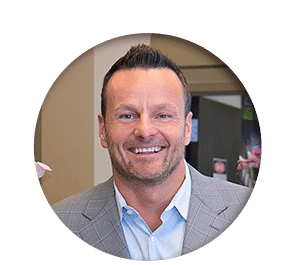
Dr. Sebastian Fuksa
Doctor of Chiropractic at Precise Chiropractic Center
Precise Chiropractic Center: Helping Lake in the Hills, IL Patients with Spinal Stenosis
TL;DR
- Precise Chiropractic Center is a specialty clinic in Lake in the Hills, IL, that focuses on complex nerve and disc conditions, including spinal stenosis.
- Verified outcomes for a group of spinal stenosis patients treated at the clinic show an average pain reduction of 83%.
- The center’s approach is non-surgical, utilizing advanced therapies like Non-Surgical Spinal Decompression, Class IV Laser, and Precision Spinal Corrective Adjustments.
- Treatment is doctor-led by Dr. Sebastian Fuksa and Dr. Thomas Dace, who develop a structured and personalized plan for each patient’s unique condition.
What the outcomes show
Spinal stenosis can be a debilitating condition, causing pain, numbness, and limited mobility that can severely impact your quality of life. For those seeking non-surgical solutions, understanding a clinic's actual results is crucial. At Precise Chiropractic Center, data is tracked to measure patient progress and refine treatment protocols.
For spinal stenosis, the clinic has documented outcomes for a group of 6 verified patient cases. Within this group, patients experienced an average pain reduction of 83%.
This figure represents a significant decrease in the primary symptom that often drives patients to seek care. While every individual’s condition is different and results can vary, this data provides a clear window into the level of relief that has been achieved for patients at the clinic. It reflects the targeted, multi-faceted approach used at Precise Chiropractic Center, which aims to address both the symptoms and the underlying mechanical causes of spinal stenosis.
How Precise Chiropractic Center approaches Spinal Stenosis
As a specialty Disc Clinic, Precise Chiropractic Center is equipped to handle complex conditions that go beyond routine back pain. The center, founded by Dr. Sebastian Fuksa and also served by Dr. Thomas Dace, utilizes a structured, doctor-led program designed to achieve measurable improvements. Their approach to spinal stenosis is not a single technique but a comprehensive and integrated strategy personalized to each patient.
This is accomplished by combining several advanced therapies to create space for the nerves, reduce inflammation, and improve the spine’s structural integrity.
Non-Surgical Spinal Decompression This therapy is often a cornerstone of treatment for spinal stenosis. Patients lie on a specialized, computer-controlled table that works to gently and precisely stretch the spine. This action creates a negative pressure inside the spinal discs and facet joints. For stenosis patients, this is critical because it helps to:
- Create more space within the spinal canal and the foramina (the openings where nerves exit the spine), relieving direct pressure on the spinal cord and nerve roots.
- Draw water, oxygen, and nutrients into the spinal discs, which can rehydrate degenerated discs and promote healing.
- Gently separate the vertebrae, reducing pressure on irritated facet joints.
Precision Spinal Corrective Adjustments Unlike general chiropractic adjustments, the precision corrective adjustments performed at the clinic are highly specific. Often guided by principles from Chiropractic Biophysics (CBP), these adjustments aim to restore the spine's natural curves and improve overall alignment. For a patient with stenosis, proper spinal structure is vital. Correcting postural and alignment faults can reduce abnormal stress on the spine, slowing down the degenerative processes that often contribute to the narrowing of the spinal canal.
SoftWave Tissue Regeneration Therapy This innovative, non-invasive technology uses electrohydraulic supersonic acoustic waves to stimulate healing at the cellular level. When applied to the tissues surrounding the stenotic area of the spine, SoftWave therapy can help reduce chronic inflammation, break down scar tissue, and trigger the body’s own stem cells to migrate to the area to repair and regenerate damaged tissue. This can lead to decreased pain and improved function.
Class IV Laser Therapy Also known as high-intensity laser therapy, this treatment uses specific wavelengths of light to penetrate deep into the body’s tissues. The light energy is absorbed by cells, which initiates a process called photobiomodulation. For spinal stenosis, this therapy is highly effective for managing symptoms by:
- Reducing pain and inflammation around the compressed nerves.
- Increasing blood flow to the affected area, which brings more oxygen and nutrients for healing.
- Accelerating tissue repair and reducing muscle spasms that may accompany stenosis.
By combining these therapies, Dr. Fuksa and Dr. Dace create a synergistic effect. While decompression creates space, the laser and SoftWave therapies reduce pain and inflammation, and corrective adjustments address the long-term structural integrity of the spine.
What to expect at your first visit
Your first appointment at Precise Chiropractic Center is a comprehensive and detailed process designed to determine if you are a good candidate for their care. The goal is to fully understand your condition before recommending any treatment. You can expect the following steps:
- Detailed Consultation: You will sit down with Dr. Fuksa or Dr. Dace to discuss your health history, current symptoms, and how spinal stenosis is affecting your daily life. They will want to know what treatments you’ve tried in the past and what makes your symptoms better or worse.
- Comprehensive Examination: The doctor will perform a thorough physical and neurological examination. This may include orthopedic tests, reflex assessments, muscle strength testing, and a detailed analysis of your posture and gait.
- Review of Diagnostic Imaging: If you have recent X-rays, MRIs, or CT scans, you will be asked to bring them. The doctors will review this imaging with you, pointing out the specific areas of stenosis and explaining how they correlate with your symptoms. If you do not have recent imaging, it may be recommended to obtain it to ensure a precise diagnosis.
- Report of Findings: After the examination and imaging review, the doctor will explain their findings in clear, easy-to-understand language. They will tell you whether or not they believe they can help you and answer all of your questions.
- Personalized Treatment Plan: If you are a candidate for care, a customized treatment plan will be proposed. This plan will outline the specific therapies recommended, the proposed frequency of visits, and the expected duration of care to achieve your health goals. You will have the opportunity to discuss all aspects of the plan before beginning treatment.
FAQ
1. What exactly is spinal stenosis? Spinal stenosis is a medical condition characterized by the narrowing of the spaces within your spine. This narrowing can put pressure on the nerves that travel through the spine, including the spinal cord and the nerve roots that branch out to your arms and legs. It most often occurs in the lower back (lumbar stenosis) or the neck (cervical stenosis) and is commonly caused by age-related wear and tear, such as osteoarthritis or herniated discs.
2. Can chiropractic care make spinal stenosis worse? When performed by a trained professional using appropriate techniques, chiropractic care is designed to be safe for patients with spinal stenosis. At Precise Chiropractic Center, the focus is on gentle, specific, and non-forceful methods like non-surgical decompression and low-force adjustments. These techniques are intended to decompress the spine and create space, not to apply aggressive force that could aggravate the condition. A thorough examination ensures that the care provided is appropriate for your specific diagnosis.
3. Is non-surgical spinal decompression painful? No, most patients find non-surgical spinal decompression to be a comfortable and often relaxing experience. The computerized system is designed to apply a gentle, intermittent pulling force. The technology includes feedback mechanisms that constantly monitor and adjust the pull to prevent muscle guarding and ensure a comfortable session. Many patients feel a sense of relief and light stretching, and it is not uncommon for them to fall asleep during treatment.
4. How long does treatment for spinal stenosis take to show results? The timeline for results varies depending on the severity and chronicity of the stenosis, your overall health, and your consistency with the treatment plan. Some patients report feeling a noticeable reduction in pain after just a few sessions of decompression or laser therapy. However, for lasting structural correction and functional improvement, a comprehensive treatment plan typically spans several weeks or months. Your doctor will provide a more specific prognosis based on your individual findings.
5. Will I need surgery if these treatments don't work? The goal of the care at Precise Chiropractic Center is to provide a powerful non-surgical solution to help patients avoid spinal surgery and its associated risks. Many patients who were previously told surgery was their only option have found significant and lasting relief with this type of conservative care. However, the doctors provide honest, patient-centered recommendations. If your condition is too advanced or does not respond as expected, they will refer you for a surgical consultation.
Ready to see if we can help?
Living with the pain and limitations of spinal stenosis can be challenging, but non-surgical options may provide the relief you are looking for. To learn more about the structured approach used at Precise Chiropractic Center or to schedule a comprehensive evaluation with the team, please visit their clinic profile or contact their office directly.
Learn more at the Precise Chiropractic Center profile.