How Adjustin Chiropractic Helps Patients with Musculoskeletal dysfunction in Quincy, IL (September 2026)
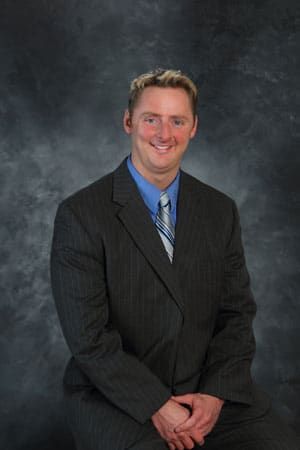
Dr. Justin Felsman
Doctor of Chiropractic at Adjustin Chiropractic
Adjustin Chiropractic: Helping Quincy, IL Patients with Musculoskeletal dysfunction
TL;DR
- Adjustin Chiropractic in Quincy, IL, provides care for patients experiencing musculoskeletal dysfunction, addressing issues that affect muscles, bones, and joints.
- Verified patient outcomes for this condition at the clinic show that individuals who sought care for significant physical symptoms reported feeling better, with some noting improved sleep and movement.
- Care at the clinic is individualized, with one patient reporting feeling better after just the initial evaluation and treatment.
- Dr. Justin Felsman utilizes a combination of chiropractic adjustments, advanced soft-tissue therapies like A.R.T. and Graston, and physical therapy modalities to treat the source of discomfort.
What the outcomes show
When dealing with the pain and limitations of musculoskeletal dysfunction, patients want to know that a provider can help them find relief. At ChiropracticResults.com, we gather verified outcome data to provide a clear picture of what patients have experienced.
For patients with musculoskeletal dysfunction treated at Adjustin Chiropractic, the available data includes 3 verified cases. While specific percentages for pain reduction or mobility improvement are not tracked in this dataset, the qualitative reports from patients highlight their progress. Patients who began care feeling "significantly worse physically" or "significantly unwell" reported feeling "much better" after an individualized course of treatment. One patient noted improvements in sleep and movement during their initial series of visits. Another individual reported feeling better immediately after their first visit, which included an evaluation and explanation of their treatment plan. These outcomes point to a patient experience focused on education and progressive improvement.
How Adjustin Chiropractic approaches Musculoskeletal dysfunction
Musculoskeletal dysfunction is a broad term for conditions that affect your body's movement system—your muscles, bones, joints, ligaments, and tendons. It can manifest as back pain, neck stiffness, joint immobility, muscle strain, and chronic discomfort that impacts daily life. At Adjustin Chiropractic in Quincy, IL, the approach is centered on a core philosophy: treat the source of the problem, not just the symptoms.
Led by Dr. Justin "Dr. J" Felsman, the clinic provides comprehensive care that begins with listening. Your first visit involves a thorough discussion of your health history, your current discomfort, and your personal goals for recovery. This patient-first approach ensures that your care plan is tailored specifically to you.
Dr. Felsman integrates multiple chiropractic and soft-tissue techniques to address musculoskeletal issues from different angles. This combined approach is particularly effective for conditions ranging from post-accident whiplash and work-related back strain to sports injuries and chronic stiffness.
Chiropractic Adjusting Techniques: The foundation of care often involves chiropractic adjustments to restore proper motion to joints, particularly in the spine. Dr. Felsman is trained in several methods to suit different patient needs and preferences:
- Diversified and Gonstead Techniques: These are hands-on methods involving precise, controlled thrusts to restore alignment and mobility to spinal joints.
- Thompson Drop-Table Technique: This method uses a specialized table with sections that drop away slightly as the adjustment is delivered, allowing for a gentler, lower-force correction.
- Flexion/Distraction: This technique involves a specialized table that gently stretches the lower back. It is highly effective for decompressing spinal discs and reducing pressure on nerves, often used for disc-related pain and sciatica.
- Activator Method: For patients who prefer a lighter touch or for use on sensitive areas, this instrument-assisted technique delivers a very specific, low-force impulse to the joint.
Advanced Soft-Tissue and Rehabilitative Care: Musculoskeletal dysfunction is rarely just a bone or joint problem; muscles and other soft tissues are almost always involved. Adjustin Chiropractic incorporates specialized therapies to address this component directly:
- Active Release Technique (A.R.T.): A hands-on method for breaking up adhesions and scar tissue in muscles and fascia that can cause pain, stiffness, and nerve entrapment.
- Graston Technique / IASTM: Instrument-Assisted Soft Tissue Mobilization (IASTM) uses specially designed tools to detect and treat scar tissue and fascial restrictions, helping to improve tissue quality and range of motion.
- Non-Surgical Spinal Decompression: This therapy uses a motorized table to gently and systematically stretch the spine, relieving pressure on discs and nerves. It is a cornerstone of treatment for herniated discs and degenerative disc disease.
- Corrective Exercise Rehabilitation: To ensure long-term stability, patients are guided through exercises designed to strengthen weak muscles, stretch tight ones, and improve posture.
This integrated model allows Dr. Felsman to create a multifaceted treatment plan that addresses joint mechanics, muscle tension, and long-term stability under one roof.
Patient cases (verified outcomes)
The following are brief summaries of real, verified patient experiences at Adjustin Chiropractic. These cases represent the types of outcomes patients have reported after receiving care for musculoskeletal dysfunction.
Case 1: Improvement from Significant Physical Symptoms A patient came to the clinic feeling "significantly worse physically" and was seeking a personalized solution. Dr. Felsman developed an individualized corrective treatment plan to address their issues. Following the course of care, the patient reported feeling "much better" than when they first started.
Case 2: Better Sleep and Movement During Initial Care Another individual began care while "feeling significantly unwell." During their visits, the team provided education about the physical issues being addressed. As they progressed through their initial treatment plan, the patient noted tangible improvements, including better sleep and easier movement.
Case 3: Relief After the First Visit Seeking help for general physical discomfort, a patient had their initial evaluation at Adjustin Chiropractic. The visit included a thorough explanation of the proposed treatment. Upon leaving this very first appointment, the patient reported already "feeling better."
What to expect at your first visit
Your first visit to Adjustin Chiropractic is designed to be a comprehensive starting point for your recovery. You can expect the appointment to begin with a detailed conversation with Dr. Felsman. He will ask about your symptoms, when they started, what makes them better or worse, and how they are affecting your quality of life. Be prepared to discuss your health history and any previous injuries or treatments.
Next, Dr. Felsman will perform a physical examination. This may involve assessing your posture, checking your range of motion, and performing orthopedic and neurological tests to identify the root cause of your dysfunction.
Based on this information, he will explain his findings in a way you can understand. He will discuss whether chiropractic care is appropriate for your condition and propose a personalized treatment plan. This plan may include a combination of chiropractic adjustments, soft tissue therapy, and other modalities. If you are comfortable with the plan, your first treatment may be administered during this initial visit. The goal is for you to leave with a clear understanding of your condition and the steps needed for recovery.
FAQ
1. What exactly is musculoskeletal dysfunction? Musculoskeletal dysfunction refers to any condition that impairs the function of the muscles, bones, joints, and connective tissues like ligaments and tendons. It's not a single diagnosis but a category of problems that can cause pain, stiffness, instability, or limited movement. Common examples include low back pain, neck pain, sciatica, carpal tunnel syndrome, tendonitis, and pain following an auto accident or work injury.
2. How does chiropractic care help with these issues? Chiropractic care helps by addressing the underlying mechanical problems. Adjustments restore proper motion to joints that are "stuck" or misaligned, which can relieve pressure on nerves and reduce pain. At Adjustin Chiropractic, this is combined with soft tissue therapies (like A.R.T. and Graston) that release muscle tension and break down scar tissue, as well as rehabilitative exercises that strengthen the body to prevent future problems. The goal is to improve overall function, not just mask pain.
3. Are the treatments painful? Most patients do not find chiropractic adjustments painful. You may hear a "popping" sound, which is simply the release of gas from the joint fluid, similar to cracking your knuckles. Dr. Felsman is trained in multiple techniques, including gentle methods like the Activator and Flexion/Distraction, to ensure your comfort. Soft tissue therapies like A.R.T. can sometimes cause temporary discomfort, often described as a "good hurt," as tight muscles and adhesions are released.
4. How many visits will I need to feel better? The number of visits required varies for every individual. It depends on the severity of your condition, how long you've had it, your overall health, and your goals. Based on the verified outcomes, some patients have reported feeling better after a single visit, while others noticed gradual improvement over an initial series of appointments. Dr. Felsman will outline a recommended treatment schedule after your initial evaluation.
5. What is the difference between A.R.T. and Graston Technique? Both are advanced soft-tissue therapies used at Adjustin Chiropractic, but they work differently. Active Release Technique (A.R.T.) is a hands-on method where the provider uses their hands to apply tension to a muscle while the patient actively moves the corresponding body part. This helps to break up adhesions between muscles. The Graston Technique is an instrument-assisted method (IASTM) where a provider uses stainless steel tools to find and treat scar tissue within muscles and fascia. Both are effective for treating chronic muscle tightness and repetitive strain injuries.
Ready to see if we can help?
If you are struggling with pain, stiffness, or limited movement in Quincy, IL, you don't have to live with it. The team at Adjustin Chiropractic is dedicated to finding and treating the source of your musculoskeletal dysfunction with a personalized, integrated plan. To learn more or to schedule your initial consultation, visit the Adjustin Chiropractic profile.