How Palmercare Chiropractic - Sterling Helps Patients with General musculoskeletal dysfunction in Sterling, VA (November 2026)
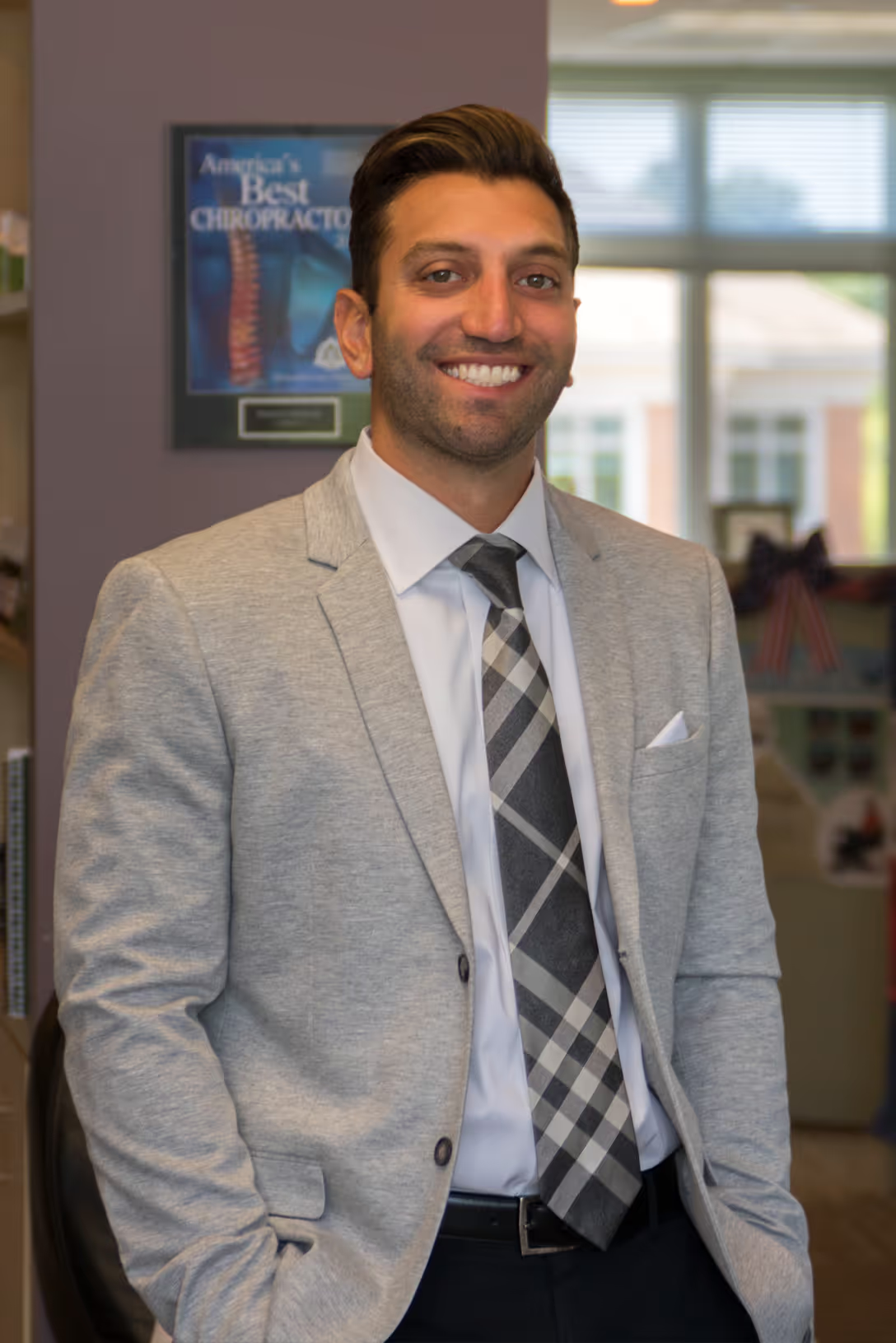
Dr. Meesagh Shaheedian
Doctor of Chiropractic, MS Sports & Exercise Science at Palmercare Chiropractic - Sterling
Palmercare Chiropractic - Sterling: Helping Sterling, VA Patients with General musculoskeletal dysfunction
TL;DR
- Palmercare Chiropractic - Sterling provides non-invasive care for general musculoskeletal dysfunction, addressing joint restrictions, muscular imbalances, and biomechanical strain.
- Clinical records include 6 verified cases for this condition; while numerical pain reduction and mobility percentages are not formally tracked, patient reports emphasize progressive functional improvement and daily relief.
- Care is delivered by a collaborative team of board-certified chiropractors and a licensed acupuncturist using diversified adjusting styles, soft tissue therapies, and advanced modalities.
- Treatment plans are tailored using techniques such as Diversified, Gonstead, Thompson Drop, Activator, Cox Flexion Distraction, acupuncture, and spinal decompression.
What the outcomes show
General musculoskeletal dysfunction encompasses a broad range of mechanical issues affecting the spine, peripheral joints, muscles, tendons, and supporting connective tissues. When normal biomechanics break down, individuals frequently experience discomfort, restricted range of motion, and diminished capacity to perform routine daily activities.
At Palmercare Chiropractic - Sterling, patient progress is tracked through clinical documentation. For general musculoskeletal dysfunction, the clinic maintains records for 6 verified cases. In this specific outcome set, quantitative metrics—such as percentage-based pain reduction and percentage-based mobility gains—are not formally tracked.
Despite the absence of numerical scorecards, clinical documentation reflects consistent, qualitative gains across treatment episodes. Patients documented in these verified records reported steady symptomatic relief, noticeable improvements in everyday physical function, and a restoration of overall quality of life. Rather than relying solely on temporary relief, these documented outcomes highlight how structured chiropractic care and multi-modal rehabilitation help patients regain physical confidence and ease of movement over time.
How Palmercare Chiropractic - Sterling approaches General musculoskeletal dysfunction
The clinical team at Palmercare Chiropractic - Sterling takes a holistic, root-cause approach to musculoskeletal care. Because dysfunction in one area of the body often triggers compensatory strain elsewhere, treatment focuses on restoring balance across the entire neuromusculoskeletal system.
The clinic's clinical team includes:
- Dr. Meesagh Shaheedian, DC, MS, who holds a Master of Science in Sports & Exercise Science and integrates sports chiropractic, Diversified Technique, Thompson Drop, Toggle, Activator Method, Gonstead Technique, Cox Flexion Distraction, and Sacro-Occipital Technique (SOT).
- Dr. Ardinn DeSantis, DC, who focuses on sports chiropractic, exercise science, holistic wellness, and injury recovery.
- Dr. Allen Kim, DC, who provides patient-centered chiropractic care centered on structural alignment and wellness.
- Dr. Vivian Malnikof, DC, who provides part-time care and holds advanced certifications including CACCP, QNMP, QNRT, PAK, and NET. She specializes in pediatric and prenatal care (Webster certified), Craniosacral Therapy, Visceral Manipulation, Cold Laser Therapy, SOT, Gonstead, Thompson, and Activator techniques.
- Emily Hatt, LAC, a licensed acupuncturist providing Traditional Chinese Medicine (TCM), Five Elements, Japanese acupuncture styles, Chinese herbology, sports acupuncture, and Kinesio Taping for pain management.
To resolve general musculoskeletal complaints, the clinic pairs precise spinal adjustments with supportive therapies designed to accelerate tissue recovery and normalize joint mechanics:
- Manual and Instrument-Assisted Adjusting: Utilizing Diversified, Gonstead, and Thompson Drop techniques, clinicians restore segmental joint mobility. For individuals requiring gentler interventions, the low-force Activator Method or SOT blocks provide targeted correction without manual twisting.
- Flexion-Distraction and Decompression: Cox Flexion Distraction and non-surgical spinal decompression gently unload spinal segments, reducing intradiscal pressure and relieving mechanical strain across spinal joints.
- Acupuncture and Meridian Therapies: Emily Hatt, LAC, utilizes acupuncture techniques to reduce local inflammation, modulate nervous system pain signaling, and alleviate chronic muscle tension surrounding dysfunctional joints.
- Photobiomodulation and Soft Tissue Support: Cold Laser Therapy and Hot Laser Therapy deliver targeted light energy to support cellular healing and calm irritated soft tissues, while Kinesio Taping stabilizes vulnerable muscle groups without restricting functional movement.
By combining manual manipulation, neuro-functional therapies, and active rehabilitation, the clinic helps individuals rebuild functional movement patterns and prevent recurring flare-ups.
Patient cases (verified outcomes)
These summaries reflect real clinical experiences documented at Palmercare Chiropractic - Sterling for individuals seeking care for musculoskeletal concerns. In accordance with patient privacy standards, identifiers have been removed.
-
Case 1: Multigenerational Musculoskeletal Support
A family sought care together to address underlying musculoskeletal concerns and improve their overall physical health and functional capacity. Throughout their course of care, the family experienced consistent, incremental improvements with each visit. The clinical team integrated ongoing patient education throughout their appointments, helping them understand postural habits and ergonomic factors that contributed to their ongoing mechanical strain. -
Case 2: Early Response in Musculoskeletal Treatment
A patient presented to the clinic with an ongoing musculoskeletal condition that required active clinical management. The patient underwent an evaluation followed by targeted chiropractic care designed to address their specific joint and soft tissue restrictions. The patient reported experiencing effective, noticeable results starting in the initial stages of their treatment plan. -
Case 3: Relief from Persistent Functional Limitations
A patient arrived seeking relief from a persistent musculoskeletal condition that had been negatively interfering with their daily routine. Following structured chiropractic interventions targeted at restoring spinal and joint mobility, the patient reported noticeable symptom relief and meaningful, practical improvements in their day-to-day physical function. -
Case 4: Restoring Daily Quality of Life
A patient presented with musculoskeletal discomfort that had substantially reduced their overall quality of life, making ordinary physical tasks challenging and frustrating. Through individualized care focused on relieving biomechanical stress, the patient achieved significant symptom relief and reported feeling like themselves again after completing their treatment regimen.
What to expect at your first visit
When you visit Palmercare Chiropractic - Sterling for general musculoskeletal dysfunction, your initial appointment focuses on identifying the primary mechanical drivers behind your symptoms.
- Comprehensive History: You will discuss your current symptoms, medical background, daily physical demands, and specific functional goals with your provider.
- Physical and Biomechanical Examination: Your chiropractor will perform targeted assessments, which may include postural analysis, range-of-motion testing, orthopedic checks, neurological evaluations, and palpation of spinal and peripheral joints to identify areas of restriction or muscle guarding.
- Review of Findings: Your doctor will explain what is driving your discomfort, discussing how joint alignment, muscle tone, and movement mechanics interact to cause dysfunction.
- Personalized Care Plan: If chiropractic care is indicated, your provider will recommend a structured treatment strategy tailored to your needs. This may include manual or low-force adjustments, acupuncture with Emily Hatt, LAC, or supportive therapies like cold laser or spinal decompression.
- Initial Treatment and Home Guidance: In most instances, initial care begins during the first appointment to provide immediate mechanical support. You may also receive recommendations regarding posture, ergonomic adjustments, or simple home self-care strategies.
FAQ
What is general musculoskeletal dysfunction?
General musculoskeletal dysfunction refers to abnormal movement, alignment, or tension within the body's structural framework—including the spine, peripheral joints, muscles, ligaments, and fascia. Rather than stemming from an acute fracture or systemic illness, it typically results from repetitive strain, poor posture, mechanical imbalances, or old injuries that did not heal with optimal alignment.
How do chiropractic adjustments improve musculoskeletal conditions?
Chiropractic adjustments apply a precise, controlled force to joints that have become restricted or hypomobile. Restoring normal joint motion reduces mechanical strain on surrounding ligaments, calms irritated nerve endings, and encourages surrounding tight muscles to relax, facilitating healthier movement patterns.
Can acupuncture be integrated with chiropractic care for joint and muscle issues?
Yes. Chiropractic adjustments address joint alignment and nervous system signaling, while acupuncture targets soft tissue tension, systemic inflammation, and localized circulation. At Palmercare Chiropractic - Sterling, chiropractors frequently coordinate with licensed acupuncturist Emily Hatt, LAC, to provide comprehensive care for stubborn musculoskeletal problems.
Are low-force adjusting methods available for sensitive patients?
Yes. The clinic offers gentle, instrument-assisted and light-force options such as the Activator Method, Thompson Drop table assistance, Sacro-Occipital Technique (SOT), and Craniosacral Therapy. These options allow clinicians to restore joint function without manual twisting or popping sounds.
How soon do patients typically notice changes in their symptoms?
Response times vary based on the chronicity of the issue, lifestyle factors, and overall physical health. As reflected in the clinic's documented case outcomes, some patients notice improvements in the early stages of care, while others experience steady, progressive relief across several weeks of structured treatment and rehabilitation.
Ready to see if we can help?
If ongoing joint stiffness, muscle tension, or unexplained aches are limiting your daily activities, conservative care can help restore your body's natural alignment and function. Learn more about the providers and therapies available by visiting the Palmercare Chiropractic - Sterling profile or contacting the Sterling, VA office to schedule an evaluation.