How Revive Upper Cervical Chiropractic Helps Patients with Vertigo in Cranberry Township, PA (November 2026)
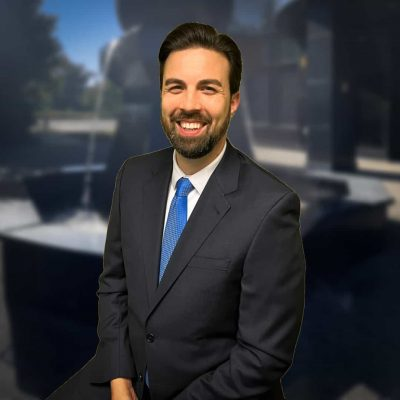
Dr. Ian Bulow
Doctor of Chiropractic, Upper Cervical Diplomate Program (DCCJP) at Revive Upper Cervical Chiropractic
Revive Upper Cervical Chiropractic: Helping Cranberry Township, PA Patients with Vertigo
TL;DR
- Revive Upper Cervical Chiropractic has documented six verified patient cases evaluating upper cervical care for vertigo in Cranberry Township, PA.
- While the clinic does not track numerical percentages for pain reduction or mobility gains for this condition, patient case histories document meaningful symptomatic improvement ranging from reduced frequency to complete resolution.
- Care is directed by Dr. Ian Bulow, a board-certified upper cervical chiropractor holding credentials from the Upper Cervical Diplomate Program (DCCJP) with more than a decade of clinical experience.
- Treatment utilizes objective diagnostic tools—including 3D imaging and paraspinal thermography—alongside gentle, specialized methods like the Blair Technique to address underlying spinal and neurological factors.
What the outcomes show
Vertigo can be a profoundly disruptive condition, often leaving individuals feeling as though their surroundings are spinning, swaying, or tilting. At Revive Upper Cervical Chiropractic in Cranberry Township, Pennsylvania, the clinical team assesses and manages vertigo by focusing on the relationship between the upper cervical spine and the nervous system.
To date, the clinic has logged six verified patient outcome cases specifically focused on vertigo. In this dataset, formal percentage metrics for average pain reduction and mobility improvement were not tracked. Instead, outcomes are documented through structured clinical narratives that capture the onset of relief, the reduction in episode frequency or severity, and the overall progression of care.
The documented cases demonstrate that patients seeking care at Revive Upper Cervical Chiropractic present with varying timelines and complexities. Some individuals sought help after dealing with acute or subacute vertigo lasting several weeks, while others had lived with chronic vertigo for years. Additionally, clinical records reflect cases where vertigo occurred alongside broader neurological or vestibular issues, such as vestibular migraines and dysautonomia. Across these verified reports, patients documented noticeable responses to care, with several experiencing progressive relief visit by visit, and others achieving complete resolution of their episodes.
How Revive Upper Cervical Chiropractic approaches Vertigo
Located in Cranberry Township near Pittsburgh, Revive Upper Cervical Chiropractic approaches vertigo as a condition that frequently intersects with the alignment and function of the upper neck. The craniocervical junction—where the base of the skull meets the top two cervical vertebrae (the atlas and axis)—houses and protects critical neurological pathways, including brainstem centers and vascular structures that interact directly with the body's vestibular system. When misalignments occur in this region, whether from physical trauma, whiplash, or chronic postural stress, they can interfere with normal neural signaling and spatial orientation.
Care at the clinic is led by Dr. Ian Bulow, a Doctor of Chiropractic with more than ten years of clinical experience. Dr. Bulow holds board certification through the Upper Cervical Diplomate Program (DCCJP), reflecting extensive postgraduate training in craniocervical junction procedures, neurological assessment, and advanced imaging interpretation.
Rather than utilizing general manipulation, the clinic relies on specialized clinical procedures designed to identify and correct misalignments with high precision:
- 3D Imaging: Advanced imaging allows the clinic to evaluate the three-dimensional geometry of each patient's upper cervical anatomy. Because joint angles vary significantly from person to person, this imaging ensures that care plans are customized to individual structural variations rather than generalized assumptions.
- Paraspinal Thermography: Objective nervous system monitoring is performed using paraspinal thermography. By measuring localized skin temperature differentials along the spine, thermography provides an objective window into autonomic nervous system activity and neurovascular function, helping determine when an adjustment is needed and verifying when stability has been achieved.
- The Blair Technique: Dr. Bulow specializes in the Blair Technique, a precise upper cervical chiropractic protocol. The Blair method utilizes specific analytical steps and custom-tailored adjustments designed to restore proper joint mechanics without twisting, popping, or cracking the neck.
- Whiplash, Concussion, and Neurological Disorder Care: Because dizziness and vertigo often stem from past concussive injuries or whiplash, the clinic integrates specialized protocols to evaluate post-traumatic spinal dysfunction and complex neurological conditions.
By focusing on restoring stability and removing irritation at the craniocervical junction, the clinic aims to address root biomechanical drivers that contribute to vestibular dysfunction.
Patient cases (verified outcomes)
The following summaries reflect verified patient experiences documented at Revive Upper Cervical Chiropractic:
Case 1: Recurring vertigo with complex vestibular symptoms
A patient presented to the clinic with recurring vertigo accompanied by vestibular migraines and dysautonomia. These co-occurring conditions caused persistent instability and significant functional limitation. The patient began an ongoing course of targeted upper cervical chiropractic care. Throughout the care process, the patient reported a steady decrease in vertigo severity and frequency with each progressive clinical visit.
Case 2: Subacute vertigo lasting several weeks
A patient sought care at the clinic after experiencing continuous vertigo episodes that had persisted for approximately several weeks. Following an initial upper cervical evaluation and precise correction, the patient reported noticeable symptomatic improvement within the very first week of care. Substantial clinical progress was documented after approximately five weeks of continued treatment.
Case 3: Severe vertigo impairing the ability to stand
A patient entered care with severe, debilitating vertigo that interfered with basic balance and physical stability to the point that it prevented the individual from standing safely. Following customized upper cervical care directed at restoring proper craniocervical alignment, the patient reported that the vertigo resolved entirely. Following this resolution, the patient chose to transition to ongoing monthly maintenance visits to support spinal stability.
Case 4: Long-standing vertigo persisting for years
A patient reported suffering from chronic vertigo episodes that had been present for multiple years prior to exploring upper cervical chiropractic care. After undergoing targeted evaluation and upper cervical corrections at Revive, the patient reported that the long-standing vertigo episodes fully resolved, describing the condition as a thing of the past.
What to expect at your first visit
Visiting Revive Upper Cervical Chiropractic begins with a comprehensive, objective diagnostic process focused on determining whether your vertigo is related to an upper cervical misalignment.
During your initial consultation and examination, Dr. Bulow reviews your detailed health history, including any previous head or neck injuries, whiplash events, or concussions that may have compromised the stability of your cervical spine. The clinical team then performs specialized neurofunctional tests, including paraspinal thermography scans, to assess autonomic regulation and nerve function.
If clinical findings indicate that craniocervical dysfunction may be present, advanced 3D imaging is performed. This imaging maps the precise angles and orientation of your atlas and axis vertebrae relative to the skull. Dr. Bulow analyzes these images to calculate the exact vector required to correct any identified misalignment.
Adjustments at Revive are fundamentally different from traditional spinal manipulation. Using methods such as the Blair Technique, corrections are delivered gently while your neck remains in a neutral, relaxed position. There is no twisting, forceful jerking, or rotational cracking of the neck. After the adjustment, post-procedure evaluations are conducted to verify that the joint has cleared and that normal neurological function is restored.
FAQ
How can an issue in the upper neck cause vertigo?
The upper cervical spine sits directly adjacent to the brainstem and the vestibulocochlear pathways that process spatial awareness and balance. Misalignments in the atlas or axis vertebrae can alter blood flow, impede cerebrospinal fluid dynamics, and irritate surrounding neurological pathways. This altered mechanical and neurological input can distort the balance signals sent between your eyes, inner ears, and brain, contributing to sensations of spinning or disequilibrium.
Does an upper cervical adjustment involve cracking or twisting the neck?
No. Revive Upper Cervical Chiropractic uses gentle, specialized protocols such as the Blair Technique. These procedures rely on calculated angles derived from 3D imaging to deliver low-force, precise corrections. The patient rests in a neutral posture, and adjustments do not involve any rapid twisting or cracking of the spine.
How many visits are typically required before seeing improvement in vertigo symptoms?
Response times vary based on individual spinal stability, overall neurological health, and how long the condition has been present. In the clinic's verified patient cases, some individuals reported measurable improvement within the first week of care, while others required several weeks of consistent management to experience substantial progress.
Can upper cervical care help if my vertigo is linked to migraines or dysautonomia?
Yes. Clinical records from the clinic include cases where vertigo co-occurred with vestibular migraines and autonomic nervous system dysregulation (dysautonomia). Because upper cervical misalignments can stress autonomic pathways running through the upper neck and brainstem region, correcting craniocervical balance often helps support patients experiencing multi-system neurological symptoms.
Why does the clinic use paraspinal thermography?
Paraspinal thermography is an objective diagnostic tool that detects subtle temperature variations along the skin overlying the spine. Temperature symmetry reflects balanced autonomic nerve signaling and normal vascular tone. By performing regular scans before and after care, Dr. Bulow can objectively determine whether a correction is holding or if intervention is needed on a given day.
Ready to see if we can help?
If you or a loved one is dealing with persistent dizziness, disorientation, or spinning sensations, a structural issue in the upper neck may be contributing to your symptoms. Learn more about the clinic's diagnostic procedures, provider credentials, and clinical results by visiting the Revive Upper Cervical Chiropractic profile to determine if specialized upper cervical care is the right next step for your health.