How Trinity Advanced Health Helps Patients with Neuropathy in Glendale, AZ (November 2026)
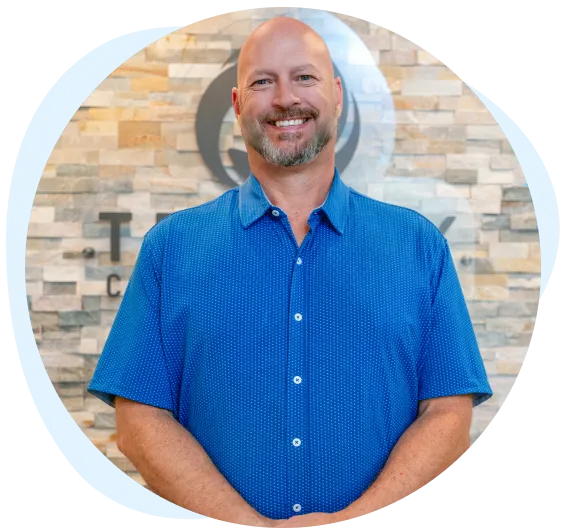
Dr. David Iszler
Doctor of Chiropractic at Trinity Advanced Health
Trinity Advanced Health: Helping Glendale, AZ Patients with Neuropathy
TL;DR
- Trinity Advanced Health has documented 6 verified patient cases for neuropathy care in Glendale, AZ.
- Clinical care is guided by Dr. David Iszler, DC, alongside Certified Neuropathy Case Managers Sheryl Iszler and Taylor O’Hara.
- Treatment strategies integrate gentle chiropractic techniques, spinal decompression, laser therapy, and SoftWave Tissue Regeneration Therapy.
- While formal numerical percentage metrics are not tracked, verified patient reports document positive responses, symptom improvement, and successful outcomes through structured care programs.
What the outcomes show
When evaluating care options for neuropathy, clear and honest clinical data is essential. At Trinity Advanced Health in Glendale, AZ, the clinic’s record includes 6 verified patient cases specifically addressing neuropathy.
In this clinical dataset, average percentage metrics for pain reduction and mobility gains are not formally tracked. Rather than relying on estimated or fabricated figures, the practice documents patient responses through individualized clinical monitoring and direct patient feedback. Patients undergoing treatment have reported demonstrable changes during active care, noting that their symptoms were actively improving or that the targeted treatment was working.
These outcomes reflect the clinic's focus on functional restoration. For individuals managing nerve-related sensory issues or severe physical limitations—such as difficulty standing—the practice offers a clinical framework aimed at addressing root structural and neurological issues rather than simply masking symptoms.
How Trinity Advanced Health approaches Neuropathy
Neuropathy involves damage or dysfunction of the peripheral nerves, frequently leading to symptoms such as numbness, tingling, burning sensations, weakness, and loss of balance. Trinity Advanced Health approaches neuropathy by identifying where nerve communication and local tissue health have been compromised.
Care at the Glendale clinic is collaborative. Dr. David Iszler, Doctor of Chiropractic, works directly with Certified Neuropathy Case Managers Sheryl Iszler and Taylor O’Hara. This structure ensures that every patient undergoes thorough case management alongside professional chiropractic care.
The clinic’s methodology relies on a multi-step, evidence-based process:
-
Detailed Neurological and Structural Assessment
Every care plan begins with an in-depth examination to evaluate nerve conduction, spinal alignment, posture, and neurological deficits. Pinpointing the exact source of irritation or compression allows the team to target the underlying mechanical or physiological problems. -
Gentle Chiropractic Adjustments
To improve spinal alignment and eliminate mechanical pressure on the nervous system, Dr. Iszler utilizes specialized techniques. These include the Torque Release Technique—a gentle, tonal chiropractic method—along with Arthrostim adjusting and traditional manual adjustments. Proper alignment helps optimize communication between the central nervous system and peripheral pathways. -
Spinal Decompression Therapy
When nerve roots along the spine are compressed due to disc bulges, herniations, or degenerative disc disease, spinal decompression gently separates the vertebrae. This relieves pressure on spinal nerves and encourages the flow of nutrient-rich fluids back into damaged discs. -
Advanced Cellular and Tissue Therapies
The clinic utilizes both Class IV Deep Tissue Laser Therapy and Class 2 Laser Therapy to help reduce deep-seated inflammation, enhance circulation, and support tissue healing. In addition, the practice provides SoftWave Tissue Regeneration Therapy, an advanced technology that uses acoustic waves to stimulate cellular repair, reduce chronic inflammation, and encourage natural tissue regeneration. -
Rehabilitation and Corrective Exercises
To preserve structural corrections and restore stability, patient programs often include targeted rehabilitation and corrective exercises. These movements help patients re-establish coordination, strengthen supportive muscle groups, and maintain functional independence.
Through this conservative model, Trinity Advanced Health seeks to reduce local inflammation, enhance blood flow, and restore nerve health without reliance on prescription medications or surgical intervention.
Patient cases (verified outcomes)
The following real-world case summaries illustrate the experiences of patients treated for neuropathy at Trinity Advanced Health:
-
Case 1: Significant Functional Limitation
A patient presented to the clinic with severe neuropathy symptoms that had progressively worsened to the point where they could barely stand for more than a few minutes at a time. This case illustrates the profound impact chronic peripheral nerve distress can have on basic weight-bearing and balance. (Note: The public clinical record concludes before a final numerical outcome was documented.) -
Case 2: Success in a Dedicated Neuropathy Program
A patient participated in the clinic’s specialized neuropathy program. Over the course of the protocol, the patient documented having huge success with their treatment and noted that the clinical team remained actively invested in their continuous progress. -
Case 3: Positive Response During Ongoing Care
A patient receiving targeted clinical care specifically for neuropathy symptoms reported during their active care timeline that the neuropathy treatment was working effectively to manage their condition. -
Case 4: Measurable Symptom Relief
Another patient undergoing treatment for ongoing neuropathy symptoms reported that their condition appeared to be steadily getting better as their treatment plan progressed.
What to expect at your first visit
Visiting Trinity Advanced Health for a neuropathy consultation involves a thorough, methodical evaluation designed to understand your specific neurological health.
- Comprehensive Health History: Your visit starts with an open discussion of your symptoms. The team will review how long you have experienced discomfort, the specific areas affected (such as your feet, legs, or hands), and how your condition impacts everyday activities like walking, working, or sleeping.
- Structural and Neurological Exam: Dr. Iszler and the clinical team perform non-invasive diagnostic checks. This includes assessing nerve sensation, reflexes, joint mobility, balance, and spinal posture to locate structural distortions and nerve compression.
- Personalized Treatment Plan Review: Following the evaluation, the team discusses their clinical findings. If you are a candidate for care, they will outline a customized protocol, which may integrate adjustments, spinal decompression, laser therapy, or SoftWave technology, guided by the Certified Neuropathy Case Managers.
- Initial Therapy: Depending on your unique health status and diagnostic results, you may begin your first gentle, non-invasive therapeutic session on the same day.
FAQ
What causes peripheral neuropathy?
Peripheral neuropathy occurs when peripheral nerves become damaged or irritated. Common underlying contributors include prolonged nerve compression in the spine, metabolic disorders, poor microcirculation, repetitive physical trauma, or systemic inflammation. Identifying structural and lifestyle contributors is a key element of conservative care.
What is the role of a Certified Neuropathy Case Manager?
At Trinity Advanced Health, Certified Neuropathy Case Managers Sheryl Iszler and Taylor O’Hara work alongside Dr. Iszler to supervise patient treatment plans. They help guide patients through their programs, monitor symptom changes, ensure treatments are administered consistently, and provide ongoing educational support.
How does SoftWave Tissue Regeneration Therapy help with nerve conditions?
SoftWave therapy utilizes patented acoustic wave technology to deliver energy into deep tissues. This non-invasive therapy helps decrease chronic inflammation, stimulate blood supply to deprived areas, and activate biological healing responses necessary for tissue recovery.
Are the adjustments safe for someone with severe nerve pain?
Yes. Dr. Iszler employs gentle, instrument-assisted techniques such as the Torque Release Technique and Arthrostim adjusting alongside traditional manual techniques. These gentle methods allow for precise spinal alignment without aggressive twisting or popping, making them well-suited for sensitive nerves.
Can chiropractic care replace my current medical neuropathy treatments?
Chiropractic care and regenerative therapies provide a non-invasive, drug-free approach aimed at restoring structural alignment and cellular health. They can often be utilized safely alongside conventional medical treatments. Any changes to prescription medications must always be coordinated directly with your prescribing physician.
Ready to see if we can help?
If you are dealing with chronic numbness, burning, or balance difficulties associated with neuropathy, a comprehensive neurological and structural assessment can clarify your non-surgical options. Visit the Trinity Advanced Health Profile to learn more about the practice, explore their available therapeutic services, or schedule an evaluation at their Glendale, AZ location.