Why Midway Chiropractic Combines Acupuncture, Massage & Adjustment Under One Roof
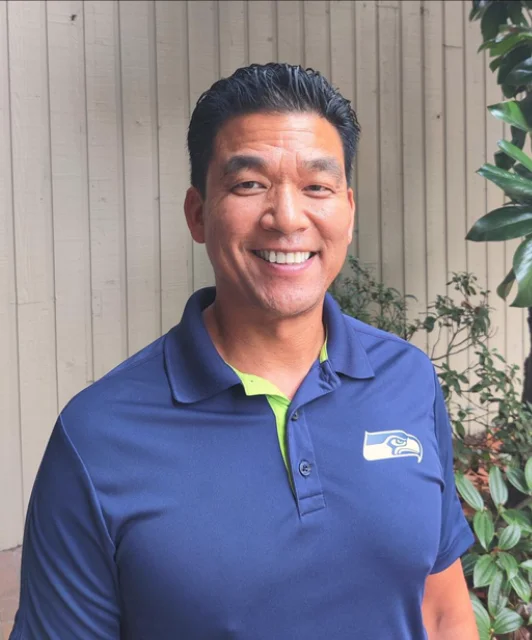
Dr. Craig Kagetsu
BSc, DC, c.ART, CKTP — Clinic Director at Midway Chiropractic
Why Midway Chiropractic Combines Acupuncture, Massage & Adjustment Under One Roof
Most chiropractic clinics do one thing: adjustments. If a patient also needs massage, they''re referred out. If they need acupuncture, they''re sent to a different building, with a different intake, different paperwork, and zero communication between providers.
Midway Chiropractic in Des Moines, WA was built on a different premise: the patient''s problem is rarely one thing, so the treatment shouldn''t be either.
The clinical reality: pain is multi-layered
Take a common case: a 45-year-old with chronic low back pain and recurring tension headaches. The underlying problem is usually three layers stacked together:
- Joint dysfunction — facet joints not moving correctly (chiropractic territory)
- Soft tissue restriction — chronic tightness in the QL, glute med, suboccipitals (massage / Active Release territory)
- Neurological / regulatory dysregulation — sympathetic overdrive, poor sleep, headache patterns (acupuncture territory)
Treating only one layer leaves the other two intact. The patient gets temporary relief, then the original problem returns within a week or two.
How the modalities actually complement each other
Chiropractic adjustment restores joint mobility and normalizes neurological input from the spine. Fast and targeted — but it doesn''t directly release chronically shortened muscle tissue.
Massage therapy and ART (Active Release Technique) address the muscle and fascial layer. Without releasing the soft tissue holding a joint in dysfunction, the adjustment often doesn''t hold.
Acupuncture works on the autonomic and pain-modulation level. It''s well-supported in the research literature for chronic low back pain (Cochrane review, 2020), tension-type and migraine headaches, and post-traumatic pain. It also activates parasympathetic tone, which downregulates the systemic inflammation that keeps musculoskeletal problems flaring.
When all three are sequenced correctly — usually massage or ART first, then adjustment, then acupuncture to consolidate the response — patients hold their results far longer.
What integration actually looks like at Midway
Several Midway patients have noted in reviews that they see "Dr. X or Dr. Craig" for adjustment, "Coach Ching" or another licensed acupuncturist for needles, and rotating massage therapists in the same week. That''s by design.
A typical integrated visit might look like:
- 15 minutes of targeted massage / ART to release the primary soft-tissue restriction
- 10 minutes with the chiropractor for adjustment of the now-mobile segments
- 30 minutes of acupuncture in a quiet room to lock in the relaxation response
All three providers chart in the same system. The chiropractor knows what the massage therapist found. The acupuncturist knows which segments were adjusted.
Why this matters for chronic conditions
For acute injuries, single-modality care can work fine. For chronic conditions — the patient who''s had low back pain for 10 years, the one with monthly migraines, the post-accident patient still flaring 18 months later — the layered approach is what moves the needle.
Insurance & cost considerations
Most major insurance plans in Washington cover chiropractic and acupuncture under the same medical benefit (acupuncture is mandated coverage in WA under most plans). Massage therapy coverage is more variable but is included in PIP (auto injury) and L&I cases.
The bottom line
Integration isn''t a marketing word. It''s a clinical model. When the same chart, the same building, and the same care team coordinate adjustment, soft-tissue work, and acupuncture, patients reach their goals in fewer total visits and hold their results longer.