Post-Concussion Recovery: Why Migraines and Brain Fog Need a Neurological Approach
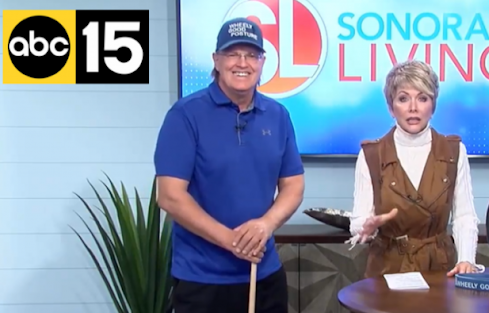
Dr. Gary C. Hatlen
DC, CCN, CPN, NASM-CES at Hatlen Family Chiropractic
When Your Brain Doesn't Bounce Back
A concussion is often described as a "mild" traumatic brain injury — but the patients who walk into our office tell a different story. They describe months or years of:
- Persistent migraines and headaches
- Foggy or blurry vision
- Difficulty concentrating ("brain fog")
- Light and sound sensitivity
- Sleep disruption
- Emotional reactivity
These aren't signs that you're imagining things. They're signs that your brain's ability to integrate input from your eyes, inner ear, and spine has been disrupted — and standard medical care often doesn't address that.
Why a Chiropractic Neurologist?
Dr. Gary Hatlen completed advanced post-graduate work in neurology in 1993, becoming certified in both Chiropractic Neurology (CCN) and Postural Neurology (CPN). This training is specifically designed for patients whose nervous systems aren't functioning the way they used to — including those recovering from head trauma.
Unlike a general adjustment-focused approach, chiropractic neurology asks a different question: What inputs is your brain not getting, and how do we restore them?
For post-concussion patients, that often means addressing:
- Upper cervical alignment (especially the Atlas / C1)
- Vestibular and visual integration
- Postural control and balance
- Autonomic nervous system regulation
A Real Patient Story
One patient came to Dr. Hatlen after multiple head injuries — including a cracked skull from a one-wheel skateboard accident. After leaving the hospital, he was left with foggy vision and chronic migraines.
After 6–9 weeks of adjustments and recovery therapy, his symptoms resolved. In his words: "Now, I have a greater quality of life with zero pain."
Another patient — a long-term post-surgical case who had gone six months without any neck care — saw measurable improvement in Atlas (C1) alignment through Dr. Hatlen's subtle, neurology-informed approach. No high-velocity manipulation. No "cracking." Just precise, brain-based correction.
The Brain Body Balance Blueprint
Post-concussion recovery isn't just about the neck — it's about restoring the five essentials that allow your brain to heal:
- Innervation — accurate signaling between brain, spine, and body
- Oxygenation — restoring blood flow to under-perfused brain regions
- Hydration — supporting cellular and tissue recovery
- Nutrition — providing brain-supportive nutrients
- Detoxification — reducing neuroinflammation
This is the framework Dr. Hatlen developed specifically because he watched his own mother battle Alzheimer's. Brain health is personal here.
When to Seek Care
If you've had a concussion, whiplash, sports injury, fall, or motor vehicle accident — and you're still not feeling like yourself weeks or months later — don't wait. The longer the brain stays in a disrupted state, the harder recovery becomes.