Scoliosis, Neck and Shoulder Tension: A Whole-Spine Approach in Amsterdam

Naomi van Veen
Owner & Chiropractor at TOPCHIRO Amsterdam
Scoliosis is a sideways curvature of the spine that affects an estimated 2–3% of the population. While it is often diagnosed in adolescence, many adults only realize the impact when chronic neck and shoulder tension, fatigue, or postural asymmetry begin to affect daily life.
Why scoliosis creates upstream tension
When the lumbar or thoracic spine curves sideways, the body compensates higher up — usually at the upper back, neck, and shoulders. Muscles on one side work harder than the other, creating:
- Persistent shoulder tightness
- Headaches
- Restricted neck rotation
- Uneven fatigue patterns
How we approach scoliosis at TOPCHIRO Amsterdam
We do not "fix" scoliosis with adjustments. Our goal is to maximize function and minimize secondary pain:
- Postural and mobility assessment, often supported by scans
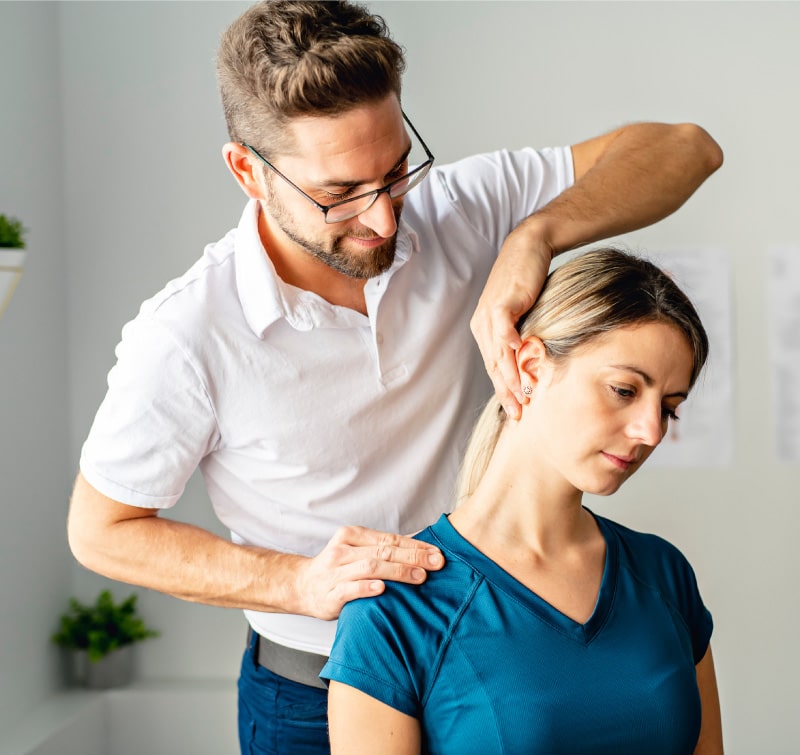
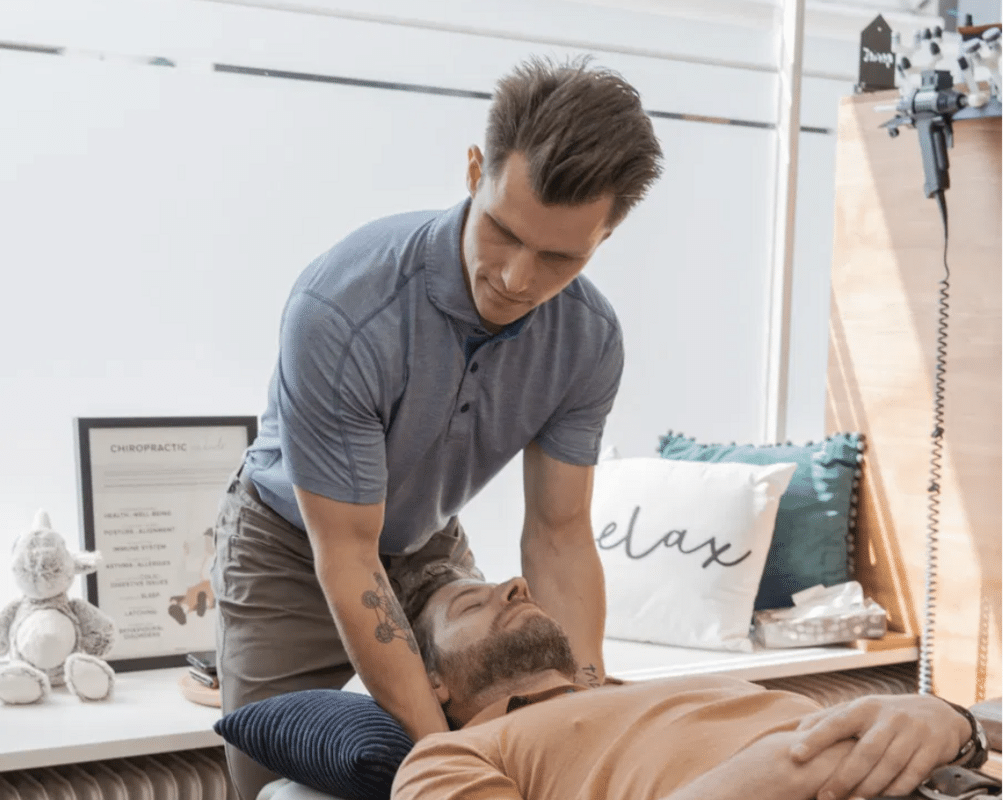
- Targeted adjustments to relieve compensatory restrictions in the neck, shoulders, and pelvis
- Soft-tissue work for chronically overloaded muscles
- Specific exercises (often Schroth-inspired or breathing-based)
- Long-term tracking so we can see whether posture and symptoms are improving
What patients report
Verified outcomes from TOPCHIRO Amsterdam patients with scoliosis-related tension consistently mention reduced shoulder pain, easier breathing, and a renewed sense of being "in their body." A whole-spine, long-term approach makes the difference.