How Bolingbrook Family Chiropractic Helps Patients with Spinal Stenosis in Bolingbrook, IL (October 2026)
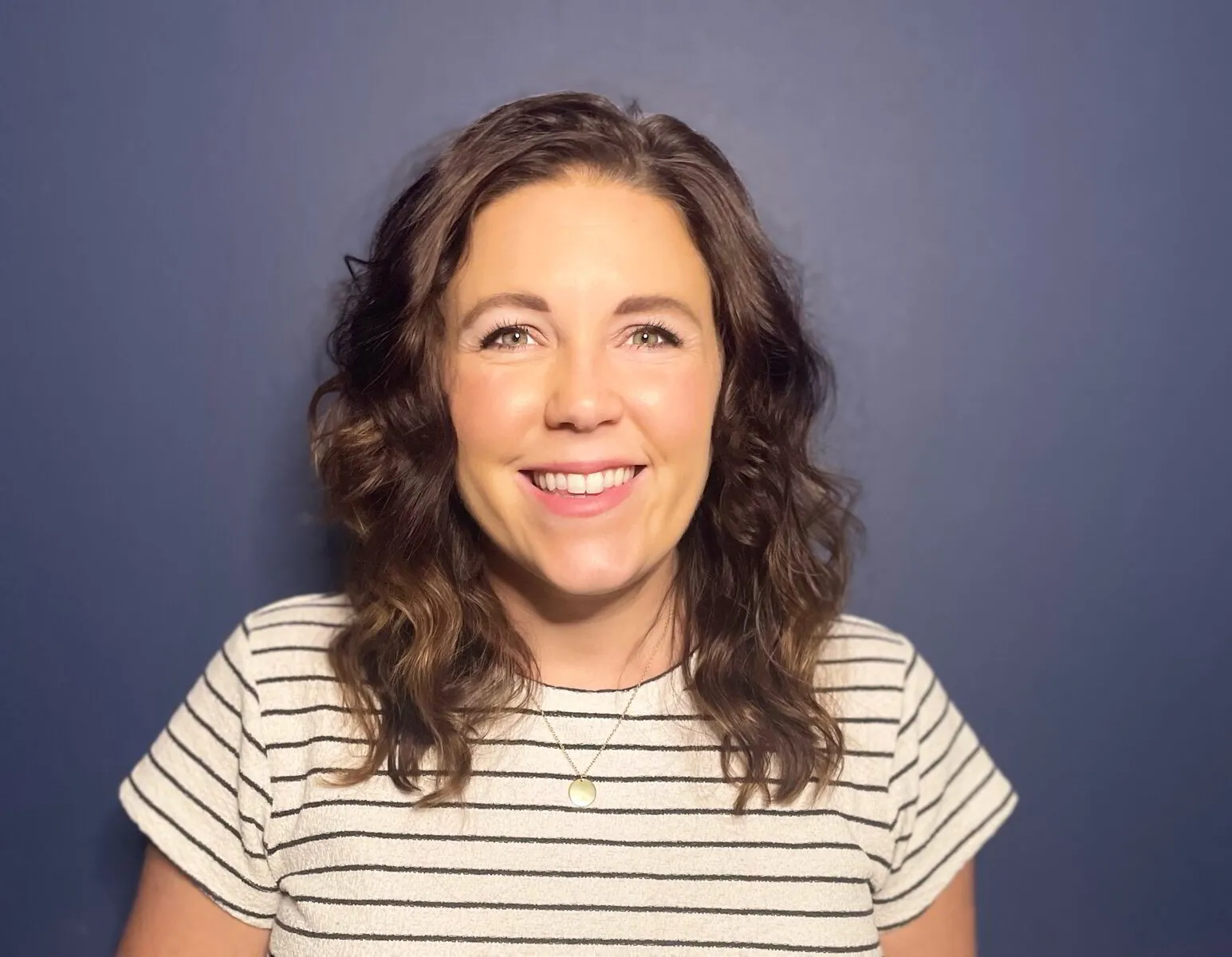
Dr. Gabriela Ludeman
Doctor of Chiropractic at Bolingbrook Family Chiropractic
Bolingbrook Family Chiropractic: Helping Bolingbrook, IL Patients with Spinal Stenosis
TL;DR
- Bolingbrook Family Chiropractic has verified experience helping patients navigate the challenges of spinal stenosis, with a clinical record including 12 documented cases.
- The clinic uses a multi-faceted approach that may include non-surgical spinal decompression, targeted chiropractic adjustments, and advanced soft tissue therapies to manage symptoms.
- Care is customized to each patient, drawing on the diverse expertise of the clinical team to address pain, improve function, and support long-term spinal health.
- The focus is on whole-body, corrective care to address the underlying mechanical issues contributing to stenosis symptoms.
What the outcomes show
Finding a provider with direct experience in your specific condition is a critical step in your healthcare journey. For individuals in the Bolingbrook area dealing with spinal stenosis, Bolingbrook Family Chiropractic has a documented history of providing care. Based on verified clinical data, the practice has managed 12 cases for patients with this condition.
This data confirms that the doctors at Bolingbrook Family Chiropractic are familiar with the complexities and symptoms of spinal stenosis. While this dataset does not track specific percentages for average pain reduction or mobility improvements, the clinic's philosophy centers on creating personalized and comprehensive care plans. The goal of these plans is to address the root causes of discomfort and functional limitation, rather than only focusing on symptoms. The experience gained from these cases informs the clinic's approach to helping each new patient achieve their individual health goals.
How Bolingbrook Family Chiropractic approaches Spinal Stenosis
Spinal stenosis is a condition characterized by the narrowing of the spaces within your spine, which can put pressure on the nerves that travel through it. This pressure can lead to pain, tingling, numbness, and muscle weakness, often in the lower back and legs (lumbar stenosis) or the neck and arms (cervical stenosis). The approach at Bolingbrook Family Chiropractic is not a single-track solution but a collaborative, whole-body strategy designed to relieve this pressure and improve your quality of life.
The clinical team utilizes several techniques that are particularly relevant for managing spinal stenosis:
Spinal Decompression: This is often a cornerstone of care for spinal stenosis. Spinal decompression is a non-surgical, motorized therapy designed to gently stretch the spine. This gentle traction helps to relieve pressure on the spinal discs and facet joints. For a patient with stenosis, this can create more space within the spinal canal, potentially reducing compression on the spinal cord and nerve roots. By creating negative pressure within the disc, it can help retract bulging or herniated material and promote the flow of water, oxygen, and nutrients into the discs to foster a better healing environment.
Full-Spine Adjusting and Corrective Care: A key component of chiropractic is the adjustment. With over 30 years of experience, Dr. Kevin Goyke specializes in full-spine adjusting and corrective care. For stenosis, the goal of an adjustment is not to reverse the narrowing but to restore proper motion to the vertebral joints that may be stiff or restricted. By improving the mechanics of the spine, adjustments can reduce inflammation, decrease compensatory muscle tension, and improve overall spinal function. Corrective care involves a structured plan to improve posture and spinal alignment over time, which is essential for managing a chronic, degenerative condition like stenosis and preventing further stress on the affected areas.
Softwave Therapy: Bolingbrook Family Chiropractic also offers Softwave Therapy, an advanced, non-invasive technology. This therapy uses electrohydraulically produced acoustic waves to stimulate the body’s natural healing processes at a cellular level. For a patient with spinal stenosis, Softwave can be applied to the surrounding soft tissues of the affected spinal region. Its benefits may include reducing chronic inflammation, improving blood flow, and stimulating tissue regeneration, all of which can help alleviate the pain and discomfort associated with stenosis.
Sports Chiropractic and Rehabilitation: While stenosis may not always be a sports injury, the principles of rehabilitation are highly applicable. Dr. Mitch Quill, a specialist in sports and performance chiropractic, can develop rehabilitative strategies to help patients manage stenosis. This often involves targeted exercises to strengthen the core and back muscles that support the spine. A stronger, more stable core can help to offload the spine, reduce mechanical stress on the narrowed areas, and improve overall function and resilience.
Massage Therapy and Acupuncture: To provide comprehensive relief, the clinic integrates other supportive therapies. Massage therapy can be invaluable for relaxing the tight, spasming muscles in the back and legs that often accompany stenosis. This can provide significant symptomatic relief and improve flexibility. Dr. Quill also offers acupuncture, which can be an effective tool for managing the chronic pain and nerve-related symptoms of stenosis by helping to modulate pain signals and reduce inflammation.
The team, including Dr. Gabriela Ludeman, Dr. Gianna Bandemer, and Dr. Amber Salomoun Eaves, works collaboratively, ensuring that even if a patient's primary concern is stenosis, their overall health is considered. This "whole-body" approach ensures your care plan is robust and tailored specifically to you.
What to expect at your first visit
Your first visit to Bolingbrook Family Chiropractic is a thorough and welcoming process dedicated to understanding your unique situation. You will begin by completing comprehensive intake paperwork that details your health history, the specifics of your symptoms, and your personal health goals.
Next, you will have a one-on-one consultation with one of the doctors. This is your opportunity to discuss your experience with spinal stenosis, including when the symptoms started, what makes them better or worse, and how they impact your daily life. The doctor will listen carefully to your story and ask clarifying questions to get a complete picture of your condition.
Following the consultation, the doctor will perform a detailed physical examination. This will likely include orthopedic and neurological tests to assess your reflexes, muscle strength, range of motion, and sensation. They will also perform a chiropractic examination to evaluate your posture and identify areas of spinal restriction or dysfunction.
Based on these findings, the doctor will determine if further imaging, such as X-rays or an MRI, is necessary to get a precise look at the structure of your spine and the extent of the stenosis. Finally, the doctor will discuss their initial findings with you and explain whether you are a good candidate for the types of care they offer. They will outline a potential treatment plan, explain the techniques they recommend, and answer any questions you may have. The entire visit is designed to be informative and collaborative, ensuring you feel confident and empowered in your path toward relief.
FAQ
1. Is chiropractic care safe for spinal stenosis? Yes, when performed by a qualified and experienced chiropractor. The doctors at Bolingbrook Family Chiropractic use gentle, specific techniques tailored to the patient's condition. High-velocity adjustments may be modified or avoided at the site of severe stenosis. Instead, low-force techniques, spinal decompression, and soft tissue therapies are often used to ensure safety and comfort while effectively addressing the symptoms.
2. How does spinal decompression specifically help with stenosis? Spinal decompression works by creating a negative pressure gradient within the spine. For stenosis, this gentle, sustained stretching can have two main benefits. First, it can increase the space within the spinal canal and the foramina (the openings where nerves exit), directly relieving physical compression on the nerves. Second, it helps to hydrate and nourish the intervertebral discs, improving their health and cushioning ability, which can reduce overall stress on the spinal joints.
3. Will adjustments make my stenosis worse? A common concern is that a spinal adjustment might aggravate the condition. However, a trained chiropractor will not apply a forceful adjustment directly to a severely stenotic segment in a way that would cause harm. The goal of adjustments in the context of stenosis is to improve the function of the surrounding joints that may be "stuck" or compensating. By restoring motion to these other segments, the overall mechanical stress on the narrowed area can be reduced.
4. How long will it take to see results from treatment? The timeline for improvement varies for every individual and depends on the severity of the stenosis, your age, your overall health, and your consistency with the recommended care plan. Some patients experience symptomatic relief within the first few visits, particularly from therapies like spinal decompression and massage. However, long-term functional improvement and stability from corrective care and rehabilitation exercises often take more time. Your doctor will discuss a realistic prognosis with you during your initial visits.
5. What can I do at home to support my chiropractic care? Your doctor will likely provide you with specific recommendations to support your progress at home. These often include therapeutic exercises to strengthen your core and improve flexibility, postural advice for sitting and standing, and guidance on activity modification to avoid aggravating your symptoms. Adhering to this home care plan is a crucial part of managing spinal stenosis effectively and achieving lasting results.
Ready to see if we can help?
If you are struggling with the pain and limitations of spinal stenosis in the Bolingbrook, IL area, you do not have to manage it alone. The experienced team at Bolingbrook Family Chiropractic is ready to provide a thorough assessment and develop a personalized care plan to address your symptoms and improve your function. To learn more or to schedule your initial consultation, please visit the Bolingbrook Family Chiropractic profile or contact the clinic directly.