Neuropathy Relief Without Drugs: A Functional Neurology Approach in Orland Park

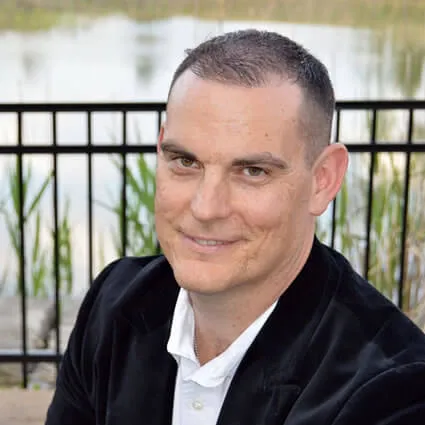
Dr. Joe Brannigan
DC, MS (Neurology) — Founder & Chiropractor at Brannigan Chiropractic Center
Why Neuropathy Care Requires More Than Medication
Peripheral neuropathy — the burning, tingling, numbness, or weakness caused by damaged nerves — affects more than 20 million Americans. Most patients are offered gabapentin, antidepressants, or opioids that mask symptoms without addressing the underlying nerve damage. At Brannigan Chiropractic Center in Orland Park, IL, Dr. Joe Brannigan brings 23 years of practice and a Master's degree in Neurology to a different approach: rebuilding nerve function from the inside out.
The Functional Neurology Difference
Functional neurology examines how the nervous system is behaving — not just where the structural damage is. For a neuropathy patient, that means evaluating:
- Spinal alignment at the nerve root level (where signals originate)
- Blood flow to the affected limbs (poor circulation starves nerves)
- Mitochondrial energy in the nerve cells themselves
- Sensory input from the feet, hands, and skin
- Brain-body integration through balance and proprioception testing
When any of these systems break down, nerves struggle to send and receive signals. Restoring them is the goal of conservative neuropathy care.
The Tools We Use
Red Light (Photobiomodulation) Therapy
Red and near-infrared light penetrates several centimeters into tissue, where it stimulates mitochondria to produce more ATP — the energy nerves need to repair themselves. Published research has shown red light therapy can reduce pain scores and improve sensation in diabetic peripheral neuropathy patients.
Spinal Decompression
When nerve roots are pinched at the spine, signals to the extremities are weakened from the source. Non-surgical decompression gently separates vertebrae to relieve that pressure, often producing dramatic improvement in radiating leg or arm symptoms.
Targeted Nerve Rehabilitation Exercises
We prescribe specific balance, vibration, and proprioception drills that re-train the brain-body connection. These take time — neuropathy didn't happen overnight, and recovery doesn't either — but the cumulative effect is restored function.
Acupuncture
For patients who tolerate it well, acupuncture can stimulate circulation and modulate pain signaling at the spinal cord level.
Who Is a Candidate?
The best candidates for non-drug neuropathy care are patients in the early-to-moderate stages who still have some preserved sensation. Patients with end-stage diabetic neuropathy and complete loss of feeling typically see less dramatic results, though improvements in pain are still possible.
If you're tired of medication side effects without real progress, a thorough functional neurology consultation is the first step in understanding whether conservative care is right for you.